GUCCI MONTE CARLO CAMPAIGN
RUBRICATOR
1. Brand Background and Positioning 2. Communication Ecosystem 3. Theoretical Framework 4. Communication Analysis 5. Conclusion and Recommendations 6. Literature and Image Sources
Brand background and Positioning
Gucci is a heritage luxury fashion house founded in Florence in 1921. Historically, the brand is associated with Italian craftsmanship, leather goods, travel culture and luxury lifestyle. Key brand codes: GG logo, GG monogram, green-red-green Web stripe, Horsebit hardware, Bamboo handle, Jackie bag, equestrian references. These codes make Gucci instantly recognizable and keep the House connected to its archive even when creative direction changes.
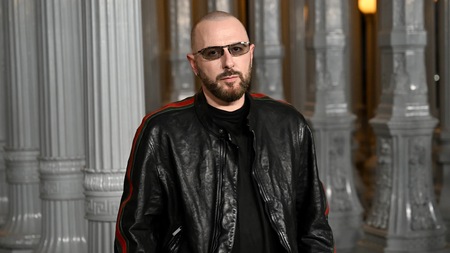
In 2025, Demna was appointed Artistic Director of Gucci, marking a new creative phase for the House. The communication challenge is not to invent Gucci from zero, but to reactivate its heritage codes and make them relevant for a contemporary audience. This research focuses on Gucci under Demna.
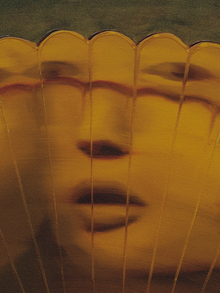
PHOTO FROM GUCCI PRIMAVERA TEASER
Gucci can be positioned as a global luxury house that combines Italian heritage with contemporary cultural visibility. Under Demna, this positioning becomes especially important: the brand has to balance archive and reinvention, recognizability and newness, luxury status and cultural provocation. Main positioning elements: heritage, recognizability, creative reinvention, cultural visibility.
Gucci’s audience includes luxury consumers, status-oriented buyers, fashion-conscious followers, younger aspirational audiences and cultural consumers interested in fashion as part of art, music, cinema and identity. For this audience, Gucci works not only as a product brand, but as a symbolic system. The brand helps communicate status, taste, individuality and connection to global fashion culture.
Communication Ecosystem
EMILY RATAJKOWSKI, GABBRIETTE AND KATE MOSS ON GUCCI PRIMAVERA SHOW
Gucci’s communication ecosystem is omnichannel: the brand combines digital retail, social media, fashion shows, campaign films, celebrity visibility, press coverage and physical stores. Under Demna, these channels work as a system for introducing a new creative era. The main task is to show that Gucci remains a heritage luxury House, but now speaks through a sharper contemporary visual language.
GUCCI WEBSITE
GUCCI WEBSITE
GUCCI WEBSITE
The official Gucci website works as both an online store and a storytelling platform. It includes product categories, campaign pages, fashion show materials, brand history, services, store locator and appointment booking. For Gucci under Demna, the website becomes the main controlled space where the House presents the new creative direction without losing its heritage and luxury structure.
GUCCI INSTAGRAM*, YOUTUBE AND PINTEREST
Gucci’s social media channels create constant visual visibility. Instagram works as the main image platform: campaigns, celebrities, runway images, product details and short videos. YouTube supports longer formats: fashion shows, campaign films, interviews and special projects. Pinterest works as a visual archive where Gucci collects campaigns, runway images, lookbooks and aesthetic references. These channels help Gucci spread Demna’s new visual language across different media formats.
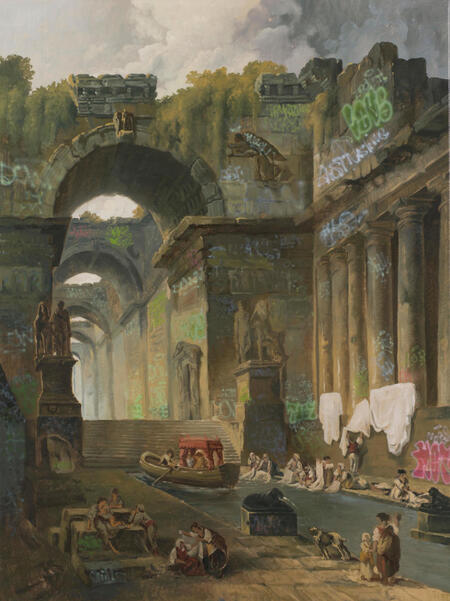
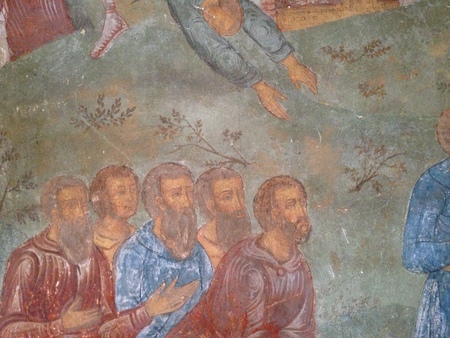
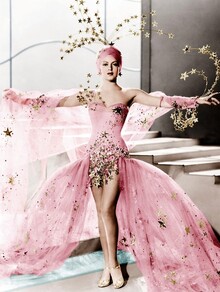
GUCCICORE CAMPAIGN
Fashion shows and campaign films are central to Gucci’s communication under Demna. They do not only present clothes; they stage the new identity of the House. Runway images, cinematic campaigns and short films create media discussion, press coverage and social media circulation. This makes the creative change visible not only to buyers, but also to the wider fashion audience.
KIM KARDASHIAN, LADY BUNNY AND ESDEEKID AS GUESTS AT GUCCICORE SHOW
Gucci uses celebrities, ambassadors, fashion media and cultural events to maintain global visibility. In the Demna era, this visibility becomes especially important because the audience needs to recognize the shift in creative direction. Celebrity images and press coverage help translate the new Gucci identity into public culture. The product becomes connected not only to luxury, but also to fame, relevance and cultural status.
GUCCICORE CAMPAIGN
Gucci’s stores and services are also part of communication. Store interiors, appointments, packaging, client service and product presentation create a controlled luxury experience. This physical experience supports the digital image of the brand: social media creates desire, the website gives access, and the store confirms luxury value. As a result, Gucci’s ecosystem works through visibility, storytelling, service, desire and purchase.
Theoretical Framework
To analyze Gucci under Demna, this research uses two communication theories: Elaboration Likelihood Model and Critical Theory. ELM helps explain how Gucci persuades the audience through rational product value and emotional visual signals. Critical Theory helps analyze how Gucci transforms luxury, status, identity and cultural belonging into commodities.
The Elaboration Likelihood Model explains persuasion through two routes: central and peripheral. Central route: heritage, craftsmanship, product quality, services, store experience, e-commerce structure. Peripheral route: celebrities, logos, campaigns, fashion shows, styling, atmosphere, visual shock and cultural prestige. This theory fits Gucci because the brand communicates both rational luxury value and emotional desire.
GUCCI STORES
Critical Theory views communication as connected to ideology, power and cultural production. For Gucci, this means that luxury communication is not neutral: it shapes what people see as desirable, prestigious and socially valuable. Under Demna, Gucci can be analyzed as a brand that turns heritage, provocation, celebrity visibility and «Gucciness» into a purchasable cultural sign.