Introduction
What is Duolingo? Duolingo is a digital education platform that provides language-learning courses through a mobile app and website. Founded in 2011 by Luis von Ahn and Severin Hacker, the company aims to make high-quality education accessible to everyone. Using gamification, personalized lessons, and artificial intelligence, Duolingo helps users learn languages in an engaging and affordable way. In recent years, the platform has expanded beyond languages, introducing courses in subjects such as mathematics, music, and chess.
Target Audience Duolingo serves a broad audience, including students, professionals, travelers, and lifelong learners. The platform is particularly attractive to younger, digitally native users who prefer flexible, mobile-based learning experiences. Its free access model also makes it popular among people who may not have the resources for traditional language courses.
Brand Characteristics Duolingo is known for its playful, approachable, and highly recognizable brand identity. The company’s green owl mascot, Duo, has become a popular internet personality and a central element of its marketing strategy. Duolingo combines humor, social media engagement, and data-driven experimentation to connect with users. The brand emphasizes accessibility, motivation, and continuous learning, making education feel both entertaining and achievable.
Duolingo Communication Ecosystem
Brand Communication Logic
• User-Centric Approach – Focuses on motivation, accessibility, and learner success.
• Gamification – Uses rewards, streaks, challenges, and leaderboards to maintain engagement.
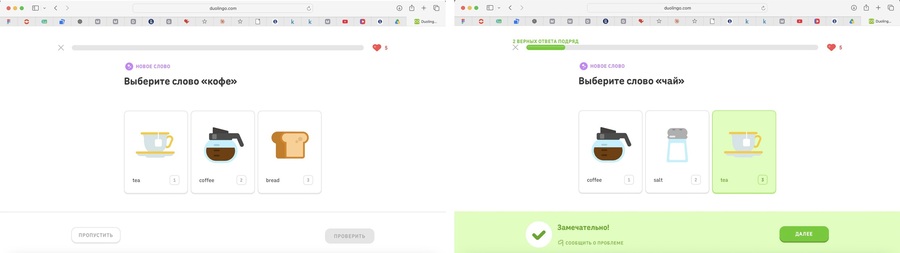
duolingo website
• Humorous and Meme-Driven Brand Voice – Uses relatable humor, memes, and viral internet trends to create engaging, shareable, and culturally relevant content that resonates with audiences.
meme (backrooms) post on duolingo social network
• Consistency Across Channels – Maintains the same tone and personality on all platforms. • Data-Driven Personalization – Delivers tailored messages based on user behavior and progress. • Community Engagement – Encourages participation, sharing, and interaction with the brand. • Entertainment + Education – Combines learning objectives with engaging and viral content. • Strategic Collaborations and Partnerships – Collaborates with celebrities, influencers, brands, and entertainment projects to expand audience reach, increase brand visibility, and create culturally relevant content. These partnerships help Duolingo remain connected to popular culture while attracting new users through shared audiences. For example: collaboration with Netflix series Squid Game or collaboration with Genshin Impact
collaboration with squidgame
collaboration with Genshim Impact
Main communication channels
Duolingo social media accounts
Mobile App – Primary platform for learning, engagement, and user retention.
Social Media – Active presence on TikTok, Instagram, X, YouTube, and Facebook for entertainment, trends, and community interaction.
Duolingo social media account
Website & Blog – Educational content, company news, and product updates.
PR & Media Relations – Press releases, interviews, and brand storytelling.
Email Marketing – Personalized reminders, progress updates, and promotional campaigns.
Push Notifications – Daily learning reminders and motivational messages.
push notification
Theoretical Framework
To analyze Duolingo’s communication strategy, this research uses two communication theories: Dialogic Theory and the Elaboration Likelihood Model (ELM). These theories help explain how the brand builds relationships with its audience and encourages users to engage with its products and content.
Dialogic Theory Dialogic Theory suggests that effective communication is based on dialogue rather than one-way messaging. Organizations should move beyond simply delivering information and instead create interactive, participatory spaces that allow audiences to engage and provide feedback. In this approach, communication becomes a collaborative process in which audiences actively participate in and contribute to brand communication.
Elaboration Likelihood Model (ELM) The Elaboration Likelihood Model (ELM) explains how people are influenced by communication. According to the model, persuasion can occur through two routes: the central route, which relies on careful consideration of information, and the peripheral route, which relies on emotional cues, visual elements, and other simple signals. Most brands use a combination of both routes to influence audience behavior and increase engagement.
Analysis of Duolingo’s Communication Through Dialogic Theory
Comments as a Tool for Dialogue Dialogic Theory suggests that communication is based on dialogue rather than the one-way delivery of information. Duolingo actively uses comments as a tool for interaction with its audience. The brand responds to users, participates in discussions, and maintains an informal communication style. This encourages users to become active participants in the communication process rather than passive receivers of content. As a result, Duolingo strengthens its relationship with the audience and increases engagement.
Humorous interaction between Duolingo and its audience
Example of Duolingo interacting with a user in the comments section.
Users as Co-Creators of Content From a communication perspective, one of the most defining elements that distinguishes Duolingo from other internet trends is that users actively generate content. In fact, many of the brand's recognizable characteristics are reinforced by its community. Duo appears in memes, fan art, jokes, and viral content created by users that goes viral around social media platforms.
This dynamic embodies Dialogic Theory as people turn to active participants in the communication, instead of being passive consumers of brand messaging. Duolingo has even gone so far as to use jokes and memes created by the community in its own communications strategies. Hence, audiences help put a face to the brand and make it visible even outside of official communication streams.
Examples of user-generated content related to Duolingo on TikTok
TikTok as a Space for Dialogue TikTok has become one of Duolingo's most important communication channels. The brand participates in trends, uses popular sounds, and adapts its content to the culture of the platform. But TikTok is more than just another trend. By virtue of this, it allows Duolingo to communicate directly with its community through comments, responses to user-generated content and even participation in viral challenges. As a result, Duolingo becomes part of the community rather than simply acting as an advertiser. It aligns with Dialogic Theory which is based on the importance of audience participation and two-way communication.