

Mental Athletic logo

Mental Athletic Issue #5 & Tokyo Special edition covers / from instagram of the brand
TABLE OF CONTENTS
📚 Introduction 📢 Brand Communication Channels 📖 Theoretical Framework of Analysis 🔍 Brand Analysis 📋 Recommendations for brand development 💎 Conclusion
📌 References

Instagram post from @mental.athletic
📚 Introduction
Mental Athletic
The brand Mental Athletic was founded by Gabriele Casaccia in Milan, Italy. The brand explores the connection between running, the mind, and creativity. It rejects traditional performance metrics (speed, distance, race results) in favor of internal experience.
«For us, dynamism is elevation, self-awareness, rebuilding the connective tissue between social groups.»
Gabriele Casaccia — founder
Gabriele Casaccia — founder
Four Key Positioning Themes of the Brand
Based on analysis of the manifesto and Instagram content, four recurring themes can be identified that shape the brand’s positioning.
First — anti-performance: running is not about winning. This theme is expressed directly in the brand’s manifesto: «You can not win. We’re the new time in running». For Mental Athletic, rejecting competitive logic becomes a key differentiator from brands built on a cult of winners.
Second — aesthetic rebellion: a new visual language for sportswear and culture. The brand declares: «We want to set down a new frontier in aesthetics». This manifests in the dark, grainy, cinematic aesthetic of the Instagram account, which contrasts with the bright, high-contrast visual code of traditional sports brands.
Third — mental health: combating «contemporary neurosis» through movement. The brand’s descriptions regularly reference calm, creativity, and self-awareness in opposition to fast paces and long distances. Here, running functions not as training but as a practice of self-care.
Fourth — community: rebuilding social connections. The manifesto states: «For us, dynamism is elevation, self-awareness, rebuilding the connective tissue between social groups». Mental Athletic builds around itself not a customer base but a community of people who share a common philosophy.
Full text of the manifesto from the Mental Athletic website.
The Manifesto as the Foundation of Brand Identity
Key quote from the manifesto: «Everything is precious, even pain, even mistakes». This phrase illustrates the brand’s fundamental principle: the value of experience is not measured by outcome. The entire manifesto contains no mention of products—only values, aesthetics, and identity. The manifesto does not describe clothing; it invites the reader to adopt the brand’s philosophy before any purchase. Thus, the brand’s identity is built not on the functional characteristics of the product but on shared meanings.
Screenshot of Instagram-profile @mental.athletic
Target Audience of the Brand
From analysis of the brand’s content and visual aesthetic, a portrait of the target audience emerges. These are people aged 20–35, urban residents belonging to the creative class. Psychographically, they value authenticity, care about mental health, and oppose achievement culture. Behaviorally, they read indie magazines and follow niche brands on Instagram. For them, running is meditation or philosophy, not competition. This audience rejects traditional sports advertising with its emphasis on winning and overcoming, which makes Mental Athletic’s positioning strategically precise.


Instagram post from @mental.athletic
📢 Brand Communication Channels
Mental Athletic uses three main communication channels: Instagram, magazines, and marathons. The key observation is that each of these channels transmits the same brand narrative. No channel contradicts another. This creates a coherent identity and allows the audience to receive a consistent message regardless of the point of contact.

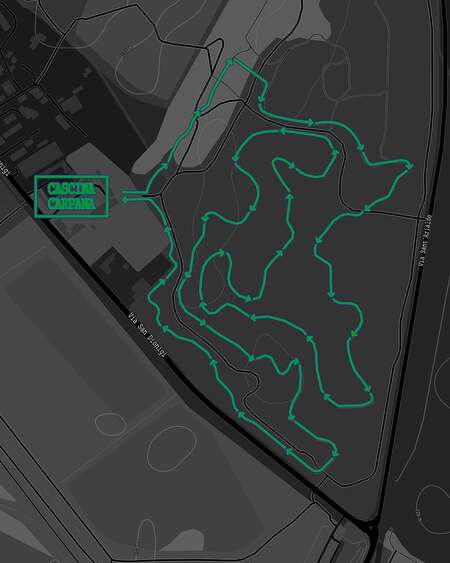
Announcement post for the marathon «CLKYO / BRIDGE THE GAP».
The brand’s Instagram account is @mental.athletic. It is designed as a visual magazine. The aesthetic is contrast-rich, grainy, cinematic. The focus is on mood, environment, and solitude. The feed contains almost no direct product posts, no demonstration of clothing technical characteristics, no race results. Instead — atmospheric photos of runners in urban environments, close-ups of textures, poetic captions. Here, Instagram serves not as a storefront but as a tool for daily maintenance of the brand’s narrative coherence.


Instagram feed post: repeated word «Mental» / Instagram feed post: repeated letter «M»
Magazines
Magazines represent a mass communication channel: one source transmits a message to many receivers with minimal feedback. For Mental Athletic, publications in outlets such as Hypebeast, Kinfolk, and Like the Wind serve three functions. First, they ensure narrative coherence: the brand’s story is retold using the same words and images as on Instagram. Second, credibility transfer occurs: the authority of the magazine is transferred to the brand. Third, reach expands beyond the existing Instagram subscriber base.
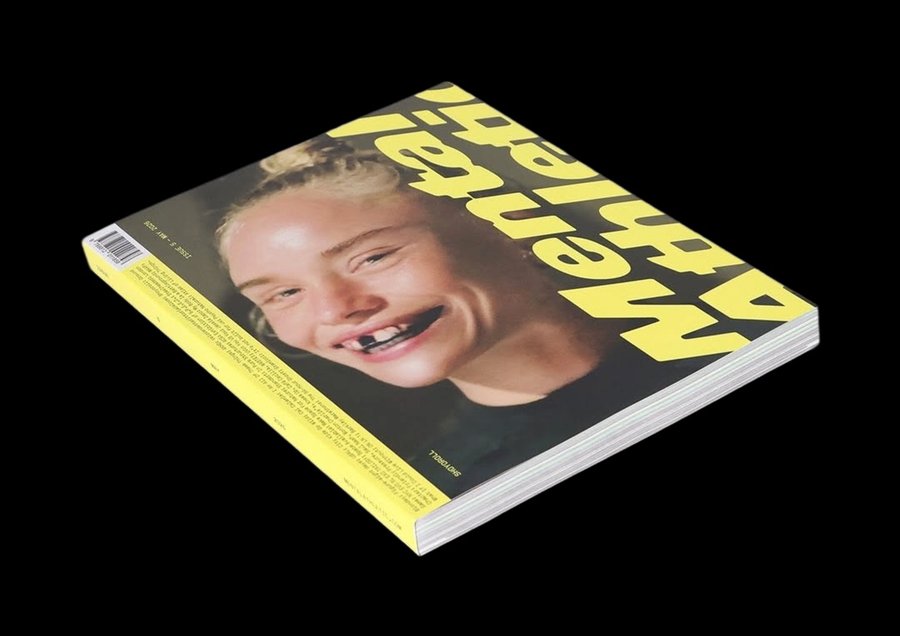


Mental Athletic Issue #5 & Tokyo Special edition covers / from website of the brand
Marathons
A marathon as a communication event can function simultaneously as several types of communication channels. The brand uses this multi-layeredness fully.
First, mass communication: the brand’s banners are placed at the start and finish, reaching thousands of participants and spectators. Second, group communication: the shared experience of covering the distance creates symbolic convergence — participants begin to feel themselves part of a single «we» around the brand. Third, interpersonal communication: brand ambassadors speak directly with participants, creating personal connections. Fourth, digital amplification: content filmed at the marathon is then published on Instagram, closing the loop. The quote from the manifesto — «We want to go into cities and change them without asking permission» — directly references this strategy of the brand’s physical presence in urban space.


Instagram post from @mental.athletic
PR Strategies of the Brand
The brand uses several PR strategies. Co-branding (with Salomon, SLS & Friends) represents media partnerships that extend reach through the partner’s audience. Sponsoring and organizing runs represent experiential PR activity: the brand becomes not a sponsor of an event but its co-creator. The manifesto on the website represents owned media: the brand controls the narrative completely. Publications in magazines represent work with traditional mass communication for legitimation.
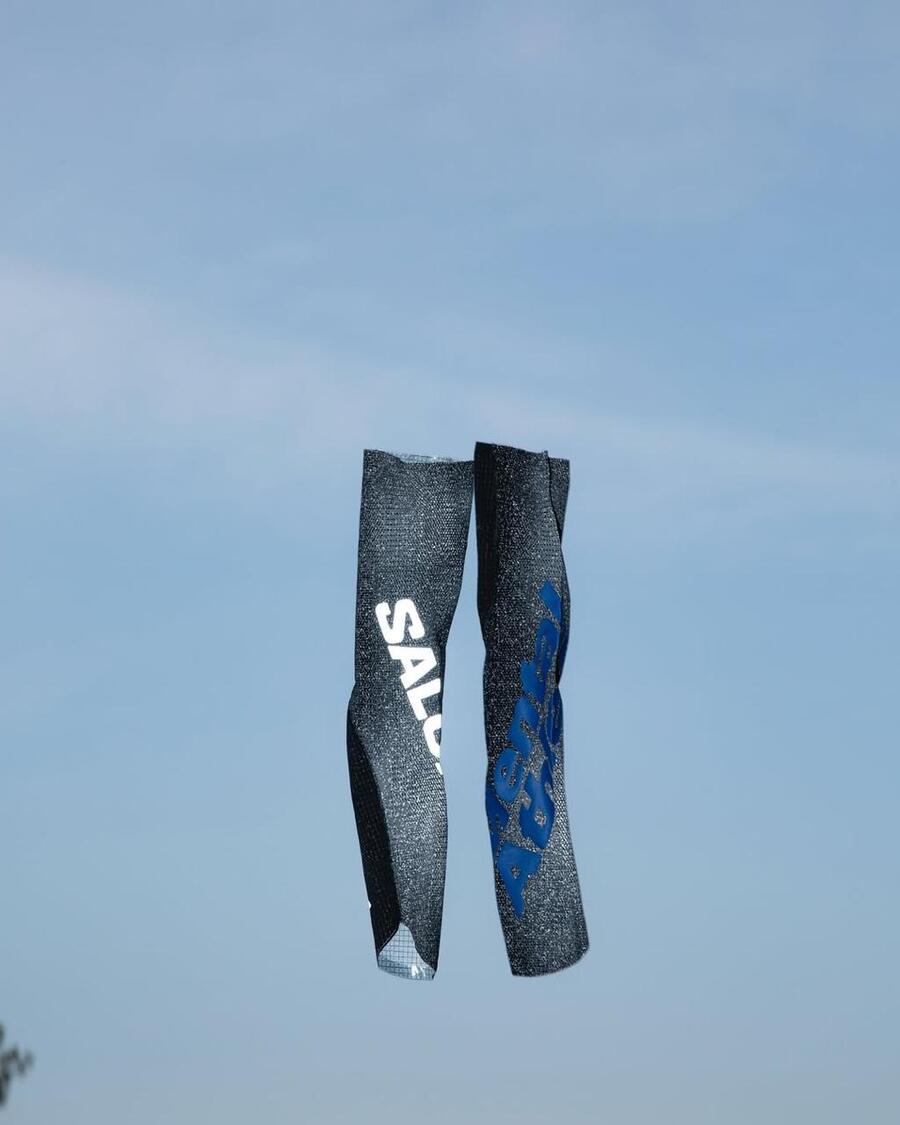
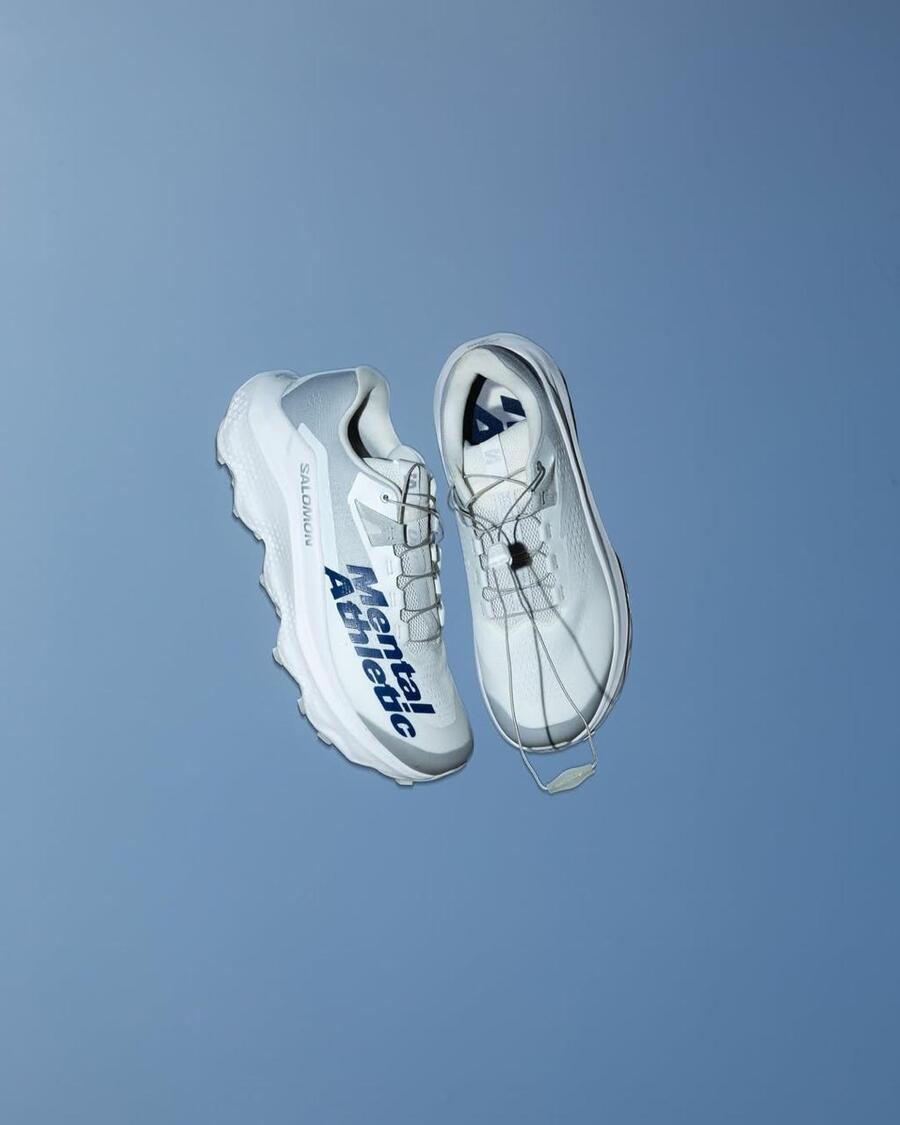
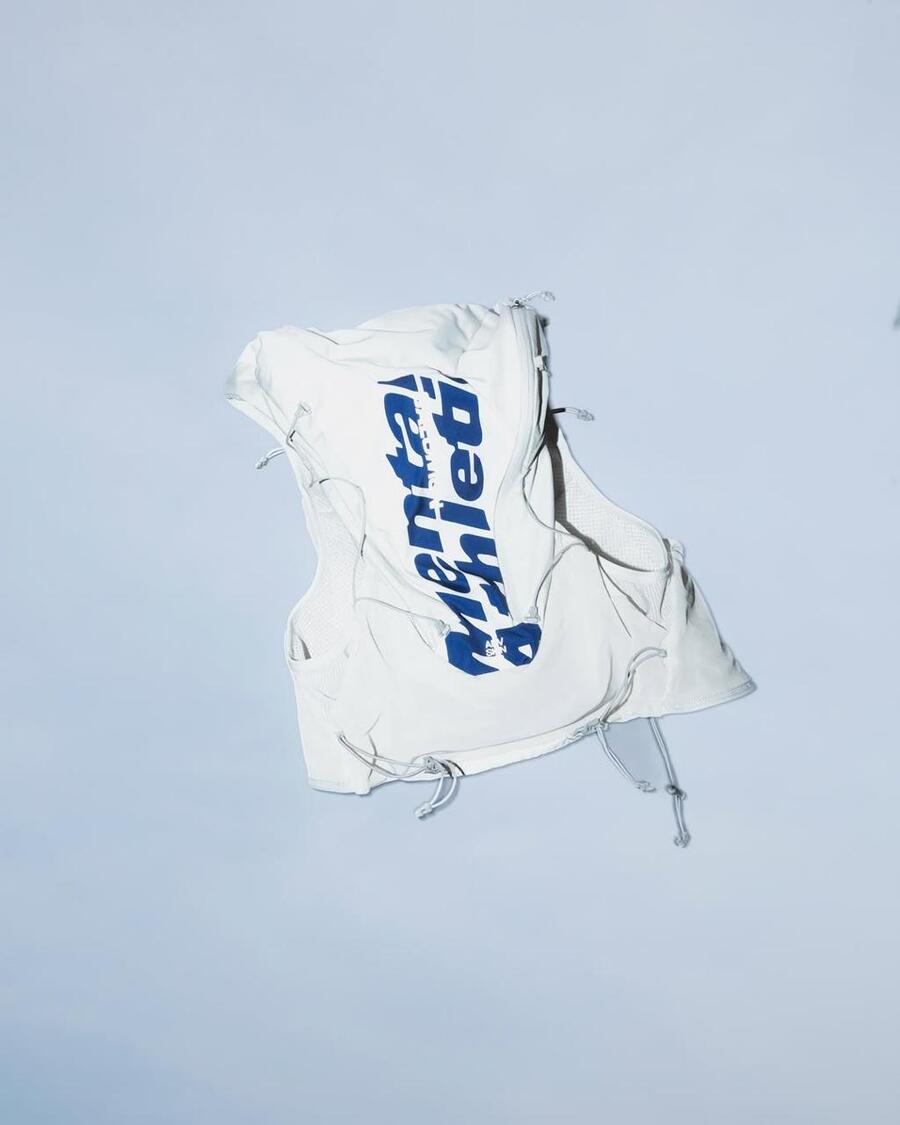
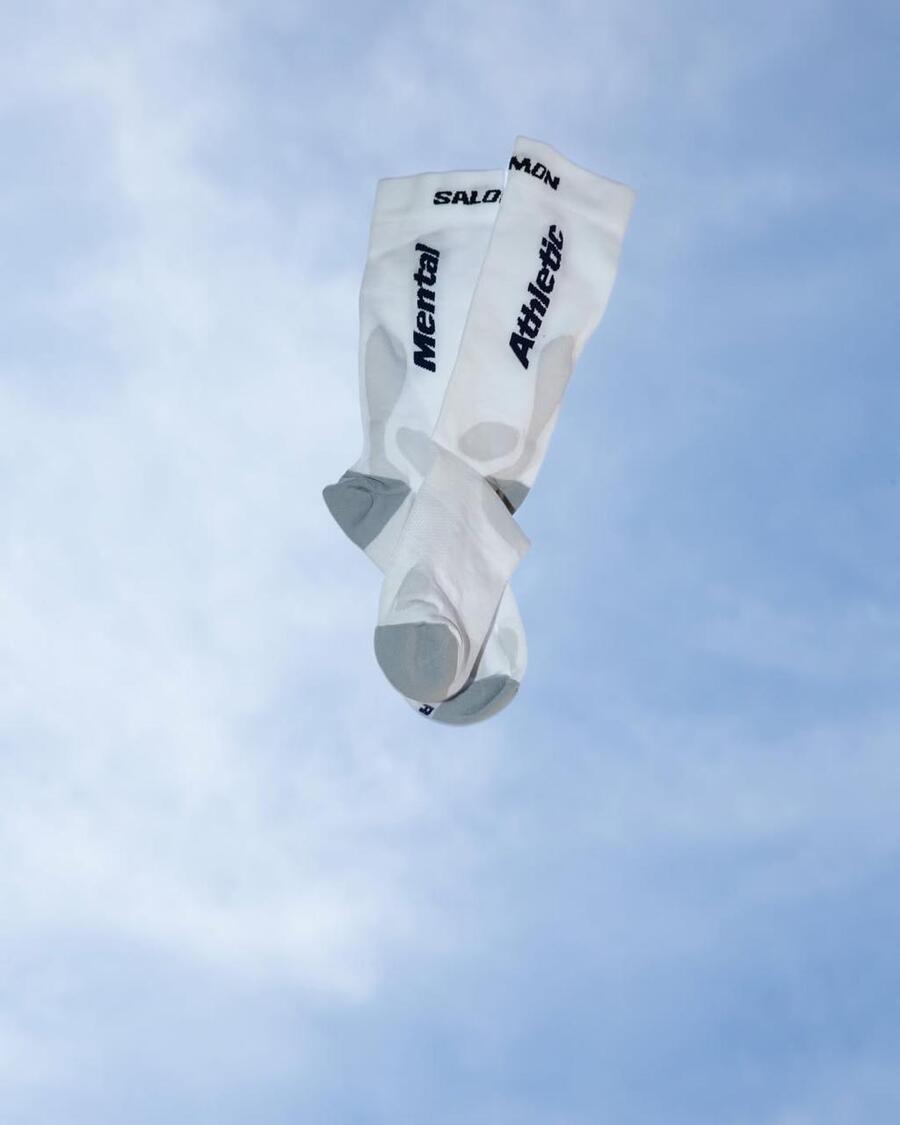
SALOMON and Mental Athletic logos together.
One Brand Narrative, Three Amplifiers
Each channel amplifies the same brand narrative, but in different ways. Instagram does this daily and visually. Magazines do this authoritatively and at scale. Marathons do this through bodily experience. No channel introduces contradictory elements. This is multi-channel integration as a systemic property of the brand’s communication.

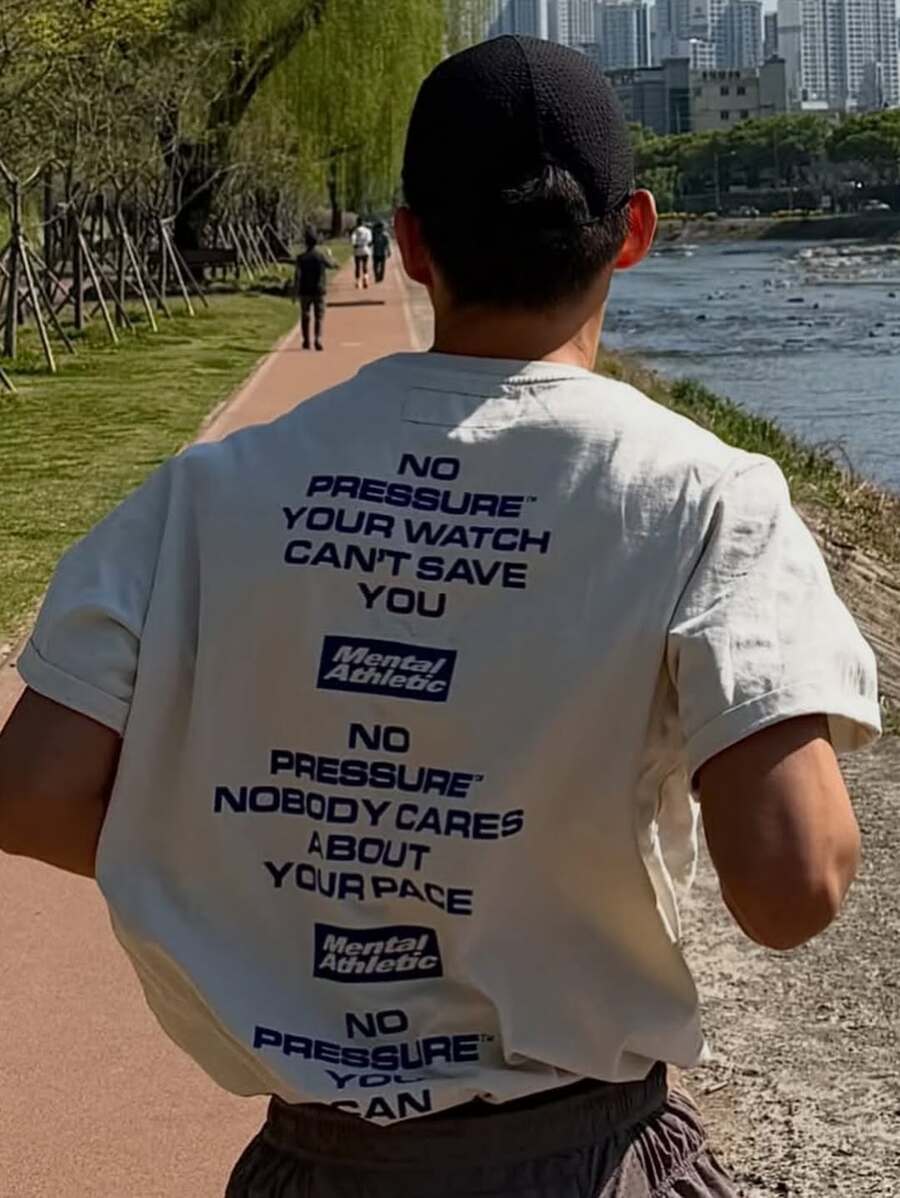
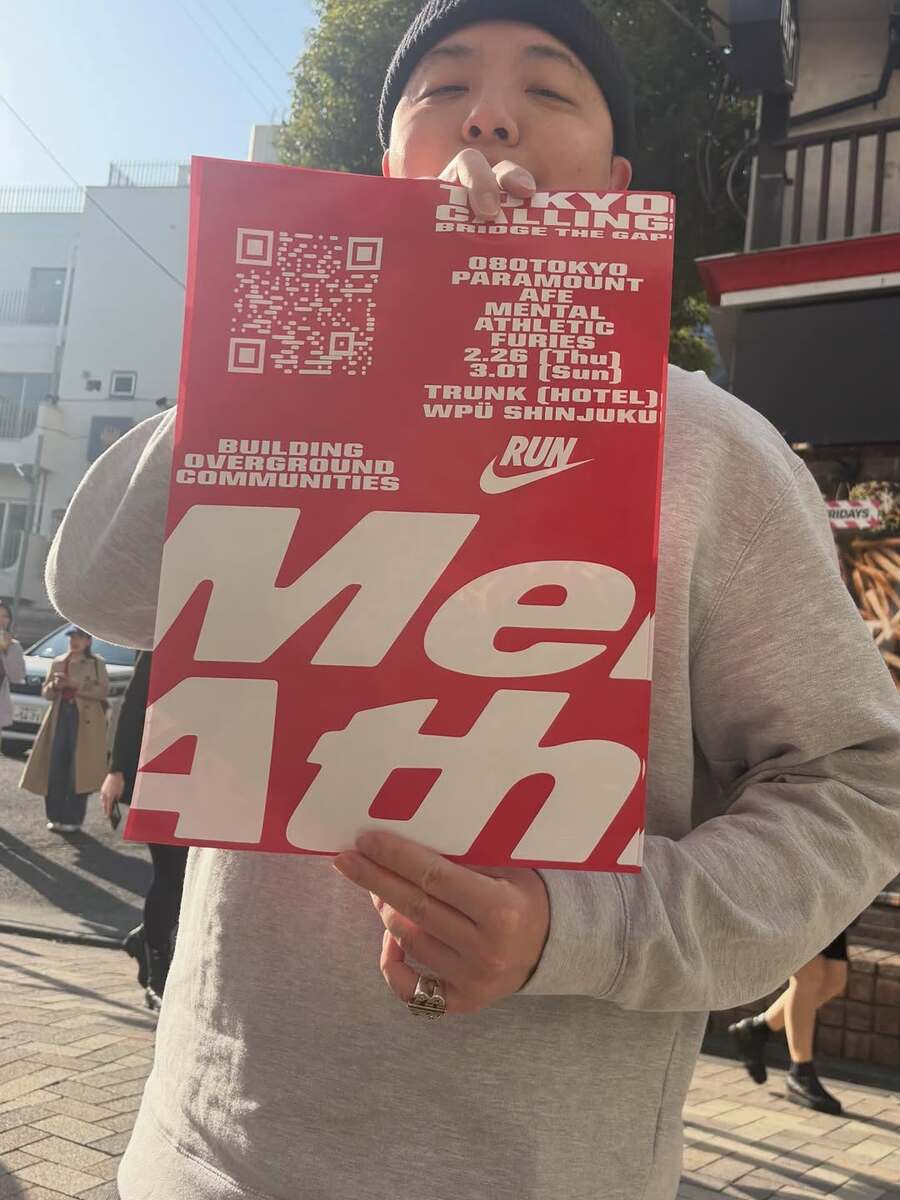

Instagram post from @mental.athletic
📖 Theoretical Framework of Analysis
Walter Fisher’s Narrative Paradigm
Walter Fisher’s narrative paradigm has been selected for analyzing Mental Athletic. Within this theory, humans are understood as homo narrans — storytelling animals: people perceive and make sense of life as a series of ongoing narratives. Applied to brands, this means that successful communication is built not on listing product characteristics but on creating a compelling story that the audience can enter.
This theory was selected for Mental Athletic because the brand’s communication lacks product specifications, technical arguments about fabric or soles, and direct calls to purchase. Instead, the brand uses poetry, manifesto, aesthetics, and values. Mental Athletic does not prove that its clothing is better. It tells a story in which this clothing becomes a natural attribute of a particular lifestyle and way of thinking.
Narrative Coherence and Narrative Fidelity
Fisher identifies two criteria for evaluating stories. The first is narrative coherence: do characters and events make sense within the story’s world? Applied to a brand, this means: do different elements of communication contradict each other? The second is narrative fidelity: does the story ring true as humane and truthful? For a brand, this means: does the story resonate with the audience’s values and life experience?
These two criteria form the basis for analyzing Mental Athletic. The brand will be assessed as strong from the perspective of the narrative paradigm if its communication is simultaneously coherent (all elements correspond to each other) and faithful (the audience recognizes its values in the story).