Description of the project
The Coffin Project is a funeral home brand for a new generation, rethinking one of the most poignant topics in human society.
The core idea of this new funeral business is that people think about the end of life in advance. They consider beforehand the guests who will gather for the event, its organization, and their own preferences (absolutely any, within the law), while the bureau’s staff undertakes to execute everything flawlessly.
At the bureau, one can choose the shape and color of the coffin, the style of burial, and how the entire event will proceed for the gathered family and friends. After all, this event is primarily for them — to help them overcome negative emotions.
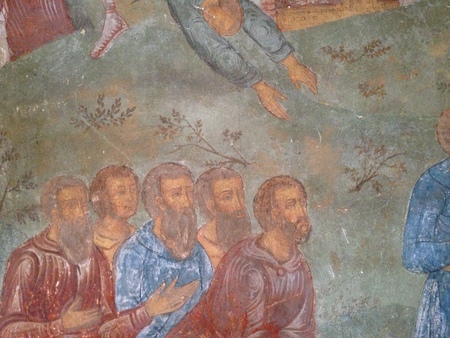
While this phenomenon might seem unusual, the organization of such events has long been historically and socially grounded.
The ancient Egyptians prepared for the afterlife in advance, striving to arrange their future existence in the other world as comfortably as possible.

In the Middle Ages, death was considered a transition to a better world without temptations and sins, which is why many, even during their lifetime, strived to lead an ascetic lifestyle.
Mexico’s Day of the Dead is one of the most vibrant holidays, rooted in Mayan and Aztec traditions associated with remembering all the deceased and featuring skull imagery and an abundance of «memorial» traditional flowers (daisies).
In Africa, particularly in Ghana, vibrant farewells for the departed are common, involving dances, music, and brightly colored coffins in various shapes symbolizing the profession, hobbies, or status of the deceased—for example, in the form of an airplane, fish, phone, cocoa beans, car, or even a chicken.
In Russian tradition, it was customary to gather at the cemetery on Easter, tidy up graves, celebrate, and commemorate the deceased (incidentally, sweets left on graves are meant for passersby to take and also remember the buried person).
And nowadays, in last wills, one increasingly hears the wish for relatives not to mourn but, on the contrary, to celebrate at the event, as the departed wouldn’t want everyone to be sad.
Since departure is often sudden, the modern generation is thinking about it more and more in advance. The desire to be turned into a diamond after death, to build a mausoleum for oneself, or to have funny facts about the deceased read at the funeral are gradually permeating this new reality.
This is precisely why the innovative funeral bureau Coffin was created.
Presentation for a general audience
Social media communication strategy: «To laugh at fear is to disarm it»
Project Tone and Style:
— Ironic, but not cynical. The humor is directed not at death as an event, but at the absurdity of taboos and clichés.
— Respectful of all cultures and beliefs, but not afraid to play with them.
— Bright, visually rich, with elements of pop culture, art-house, and street aesthetics (inspiration — Ghana, Día de los Muertos, «Bungo Stray Dogs»).
— Bold, but not aggressive. The goal is to evoke a smile and a «wow, you can actually do it like that!», not shock for the sake of shock.
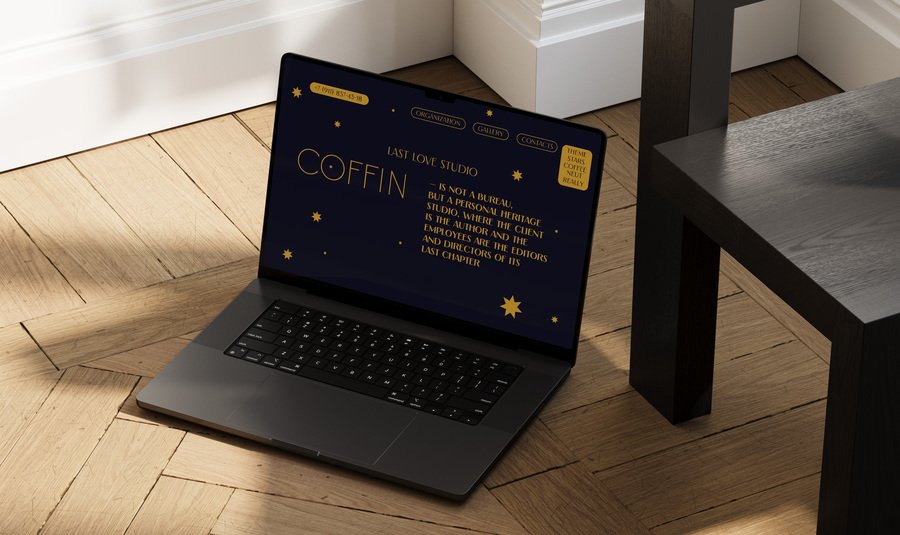
The project’s color palette is neutral and restrained. There are only two main colors, but additional combinations are introduced during project personalization.
The project’s communication goal:
— To normalize the topic of death in public discourse through humor and creativity.
— To create cultural shock followed by reflection: «Oh, but this isn’t scary—it’s a part of life!»
— To position Coffin as a progressive, humane, yet bold and lively brand that isn’t afraid to talk about difficult topics.
— To attract the attention of future clients, partners, and media not by direct selling, but by creating a «conversation.»
Project Ethical Framework (Very Important!):
— Never joke about specific tragedies, the deaths of real people, or religious rituals without permission/involvement.
— Always provide an «exit»: include a link in the profile bio to a website with serious information, support, and services.
— Emphasize: «You can laugh with us, and you can have a real conversation with us. You choose the tone.»
Social Media Target Audience:
— Potential clients aged 25–45, who haven’t yet thought about death but are open to new perspectives.
— Partners and media looking for unconventional case studies.
— Cultural trendsetters who share the idea that «death is not the end, but the completion of a story.»
Communication Channels:
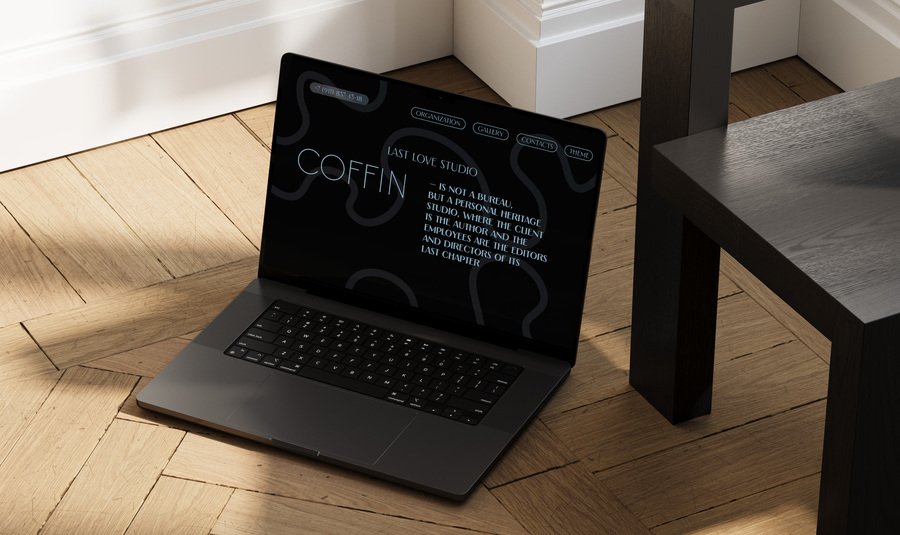
Reels Web Site Carousel Post Interactive Stories Team involvement content Collaborations
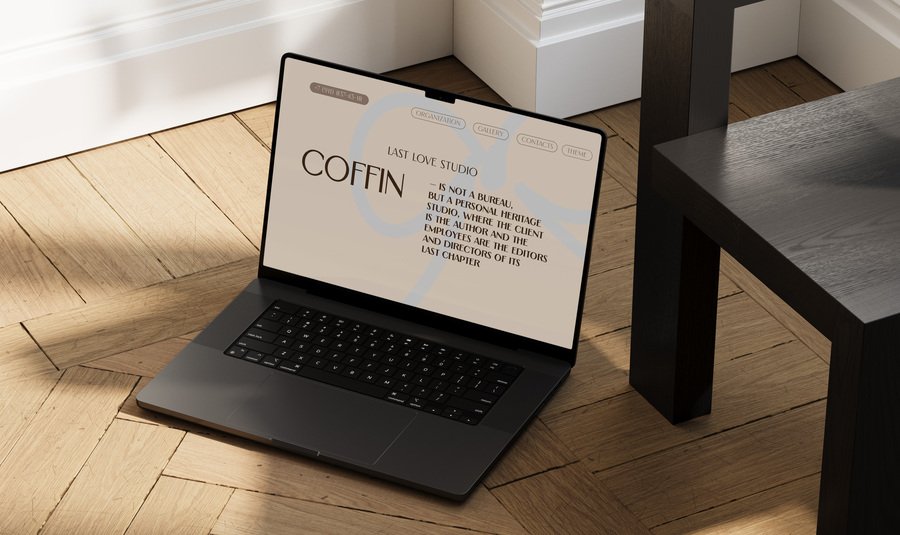
Customized user pages
Specific partners with a similar tone of voice:
Presentation for a Professional Audience
«Dialogue refers to a process interpersonal group and organization public interaction that focuses on honesty, truth, and positive regard for the other.» «Organizations should be willing to interact with the publics in honest and ethical ways in order to create effective organizational public communal channels.»
1. Dialogic Theory
How This Applies to the Project:
The brand doesn’t just sell a service; it engages in a dialogue with the client about their final will—a topic most people avoid.
This dialogue is not a transaction, but a co-design of a future farewell.