Содержание проекта
I. Анализ контекста — местонахождение проектируемой территории и её история — ландшафтно-визуальный анализ участка — отзывы местных жителей и туристов о территории — выводы об участке проектирования
II. Проектное предложение — концепция планировочной организации территории — генеральный план — предложение по организации ландшафта и спусков — архитектурные объекты: деревянные мостки, павильоны, реставрация Каменного моста, новые бани на старом месте
Часть I. Анализ контекста

Местонахождение проектируемой территории
Калуга — город в 160 км к юго-западу от Москвы, расположенный на берегах Оки и её притоков — Яченки, Калужки, Киёвки. Березуйский овраг — территория в центре Калуги, представляющая собой густо заросшую деревьями лощину.

Расположение Калуги относительно Москвы; расположение проектируемой территории в городе.
Этот рельеф образовался в результате таяния ледника, и в последствие стал важным стратегическим объектом для города: по оврагу проходила граница Калужского кремля и Завершья, а позднее он стал разделять город на две части.
Сейчас территория оврага никак не используется, а вместо существовавших когда-то бань и усадьбы в овраге остались хаотичные самострои, на место ручья Березуя пришла ливневая канализация.
Ландшафтно-визуальный анализ территории

Каменный мост
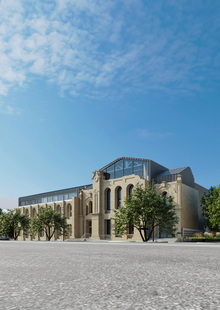
Проект моста разработан архитектором Петром Романовичем Никитиным в стиле русского классицизма (1777–1780 гг). Длина конструкции — около 160 метров, высота около 20 метров. Мост опирается на 15 крупных каменных арок, центральные арки сделаны в 2 этажа.
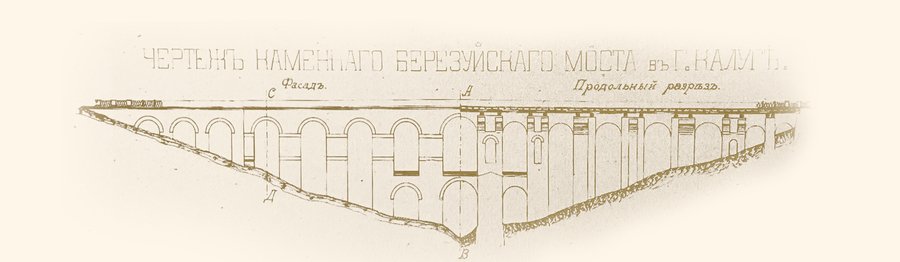


Архивные документы из книги: Калужский Березуй: опыт документального описания / составитель и редактор В. Н. Фридгельм. — Изд. 2-е, доп. — Калуга: Фридгельм, 2021.
Что говорят туристы и местные?
Орфография и пунктуация авторов сохранены.
Полные отзывы можно прочитать здесь.Выводы об участке проектирования
Достоинства: — уникальная для городской среды территория; — сохранившийся памятник культурного наследия — Каменный мост; — расположение в центре города; — присутствие водотоков — ручья Березуя, Оки; — история места.
Недостатки: — отсутствие связи с городом; отсутствие у территории выраженной функции; — хаотичные самострои; — большое количество сорняковых, сухих деревьев, мешающих осмотру оврага; — загрязненный и частично убранный в трубу ручей Березуй.
Пути решения: — очистка оврага от сухих и сорняковых деревьев; — восстановление ручья; — укрепление берегов; — создание парковой зоны; — организация связей с городом.
Часть II. Проектное предложение
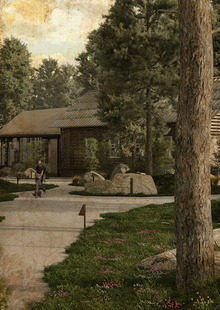
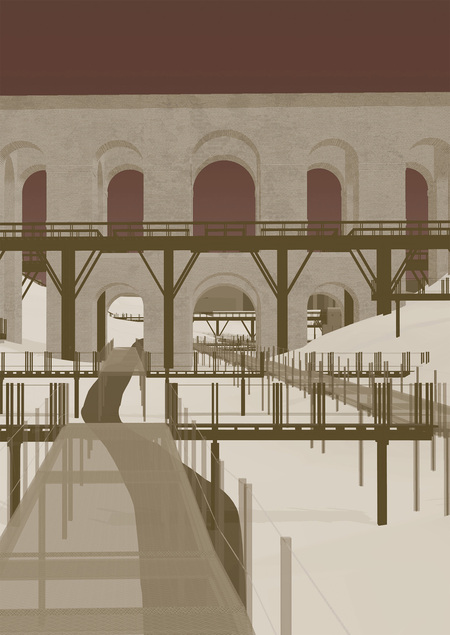
Концепция проектного предложения — организация в овраге линейного разноуровневого парка, который связывает город в двух направлениях: поперек — правый и левый склоны, и вдоль — верхнюю и нижнюю часть оврага. Парк формируется несколькими смысловыми слоями, каждый из которых имеет свою функцию.
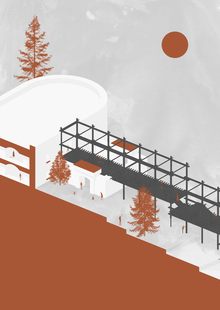
Первый — это три пути-артерии. Они пронизывают весь овраг и задают три параллельных вектора, к которым ведут организованные спуски от прилегающих улиц. В местах, где спуски непосредственно подходят к трем главным осям, предусмотрены деревянные мостки, по которым можно перейти с одной оси на другую. Заключительный слой составляют павильоны, расположенные на обоих склонах оврага. Часть из них — это смотровые площадки, часть — закрытые павильоны, в которых можно присесть и отдохнуть.
генеральный план
1 — теннисные корты 2 — прогулочная аллея 3 — торговая площадь 4 — руины бань Давингофа (консервация) 5 — бани 6 — малая торговая площадь 7 — большая торговая площадь
S проектируемой территории = 10,2 га S территории объекта культурного наследия федерального значения «Каменный мост» = 6,56 га Общая протяженность: металлических пандусов = 709,62 м деревянных настилов = 807,1 м лестниц = 714,5 м
Деревянные мостки
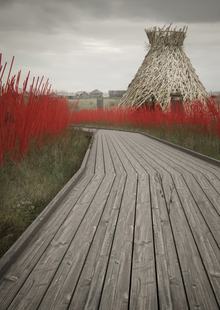
Раньше — в XIX и XX веках — через ручей в овраге в нескольких местах были перекинуты деревянные мостики, а вели к ним крутые лестницы. С опорой на эти сооружения была создана типология деревянных конструкций, которые отвечают за спуск в овраг и обеспечивают поперечные связи между его склонами.
тип 1 — лестница, тип 2 — лестница+смотровая площадка;
тип 3 — лестница+двухуровневая смотровая площадка;
тип 4 — поперечный мосток.
Схема организации спуска. Высотные отметки даны относительно минимальной высотной отметки ручья Березуя.
Павильоны
Слева: полицейская будка у спуска к источнику; в центре: часовня над источником «Здоровец»; справа: часовня у Покровского храма.