Что считается антиутопией?
The dystopia has developed into a genre (or artform, in the broadest sense) that often prompts critical engagements with notable social, political, and cultural trends of the times. The narratives that manifest in these dystopian societies are often used in conjunction with stark, emotionally compelling visuals to establish numerous storyworlds predicated on notions of dehumanisation, misery, and grief.
To be considered dystopian, a work of art (or a text, in the broader sense) must meet two primary requirements. Firstly, it must focus on the notable, destructive changes perceived within an established human settlement and, secondly, it must prompt a critical examination of the faults present in socio-cultural trends and political power structures of the society that lives there (Barton 2016:7-13; Van Gheluwe 2015:7). These features afford artists, writers, and creative designers from various disciplines a means to explore speculative futures (and pasts) of humanity in relation to a particular set of environmental conditions related to observable trends in social, cultural, and political phenomena (Laakso 2022:450). These speculative temporalities are then enacted within a designated spatial boundary — the dystopian city-state — to act as metaphoric vehicles for dystopian concerns and themes surrounding topics of homelessness and unemployment; destructive climate change projections; irreparable global ecological damage; and continuous acts of targeted violence against social groups based on religious, racial, gender, and sexual prejudices (Van Gheluwe 2015:8).
Статьи
https://www.1854.photography/2021/06/picture-this-dystopia/ https://www.blind-magazine.com/stories/dystopian-visions-when-photographers-create-uncanny-futures/ https://kochgallery.com/exhibitions/dystopia-2009/ https://medium.com/@art_38431/dystopian-romanticism-the-rise-of-cyberpunk-street-photography-in-a-blade-runner-world-1d090672fe19 https://post45.org/2019/08/photographic-futures/ https://dl.acm.org/doi/epdf/10.1145/3483529.3483779 https://d1wqtxts1xzle7.cloudfront.net/81471631/viewcontent-libre.pdf?1646069478=&response-content-disposition=inline%3B+filename%3DThe_world_within_and_the_world_without_F.pdf&Expires=1776600494&Signature=Lm5zDfPR8lz78-SWrM02jzIugXO~iFjZ73DhNffUOVfO6LwAnXBXy3k4DNUk~xIcgnkjJGW5s5kQYf5aYAWR5e6lPsATc~KpHfzk7n1cqu66~EODLftR4UzJkV1pY1kU5Rgk4zN-787eT15GJJducft~bTr6KwqMc5MPX6VLE0ileEEIuOGlsmhC5yCQYRcQsQOF0VDoL7rBYajsgMaaMLQceQfwXCZGHdovoujGm56NeJVBx5JJxkf4~4RdVP1G5cby9wNu~Eyg7WxWjUclkai~GEJ784Uw0JDErxHC34BIr0saPq7G~V30WzYlQxnLrblmTpC8F6Iku9dpZsDH5A__&Key-Pair-Id=APKAJLOHF5GGSLRBV4ZA https://www.scielo.org.za/scielo.php?pid=S1021-14972025000100007&script=sci_arttext
Lottie Davies
Oddvent 2020
In December 2020, as coronavirus and the looming prospect of Brexit messed with all Britons' best laid plans for anything-at-all-fun over the Christmas period, I was asked to take part in a rather brilliant idea conjured up by the theatrical genius that is Gemma Brockis, co-founder of SHUNT; Oddvent.
Rather like Advent, but more strange, Oddvent was a web-based advent calendar, where each day in December leading up to 25th had a virtual door, behind which (via a secret password) was a theatrical, musical, whimsical or downright odd, experience.
My contribution was 'Today was a TREE' for Wednesday 23rd December; I made the film and the brilliant Melanie Wilson created the music and sound.
Memories and Nightmares (2008-2009)
My work is concerned with stories, personal histories and identity. Since the dawn of language and conceptual thinking, we have constructed our sense of 'self' from memories, beliefs and 'life-stories'. The tales and myths we tell ourselves and others about ourselves may be redemptive or they may be painful and despairing, but either way, they have intense personal meaning. Although each person’s story is inevitably coloured by the accidents and idiosyncrasies of a unique life and sensibility, they are told in conceptual languages of image and narrative which to some extent we all share. In many ways, stories and memories are a uniquely human experience; we have used them for generations to illustrate our lives, record ourselves for the future, and to make sense of the past.
My project 'Memories and Nightmares' is concerned with nightmares and early childhood memories, and the construction of identity through private interior narrative. At the beginning of 2008 I asked several of my friends to send me written accounts of either an early childhood memory or a nightmare. I have been using the resulting stories as inspiration for a series of images. For each image I used a model to stand in for the 'true' subject of the story, through which device I hope to produce a different insight into the subjects' identities in comparison with more direct representations; an image drawn from the intensely private 'internal' life of one individual, which can nevertheless be brought into the light of shared conceptual discourse, and can perhaps speak to the interior life of others. Our understanding of who we are can only be found from a single perspective; our own — no-one can see inside my head, it is only by reporting my thoughts and experiences that I can communicate 'who I am' and 'I felt this'. The memories and nightmares I have collected are part of the wider collection of human stories, and by using them as inspiration for these images I hope to show an inkling of what it might be to witness someone else’s internal experience.
Early childhood memories are particularly fascinating because they as take us close as we can get to the impossible 'once upon a time'; the very beginning of our stories of our existence in the world. They are where we begin. They are absolutely individual and personal; they are also retold and re-remembered, and the way one person describes the event or time may be different to others' memory of it. What counts for us in the memory, it seems, is ultimately not its reference to the 'objective facts' of a particular moment but its capacity to act as a founding myth, a myth of the creation of the individual person. They are perhaps not even memories but memories of memories, reframed again and again as we revise our own sense of self in response to the threats and demands of the world. In nightmares as in early memories, we sometimes remember a clear narrative, but often what remains in our memories is only a landscape or a texture of feeling. For all their surreal or impossible elements, nightmares share the singularity and the inaccessibility of early memories.
HERE (2012-2013)
«It is not possible to step twice into the same river, according to Heraclitus, but by the sharpness and quickness of change, it disperses and gathers again, or rather not again nor a second time, but at the same time it forms and is dissolved, it comes and goes.» Plutarch
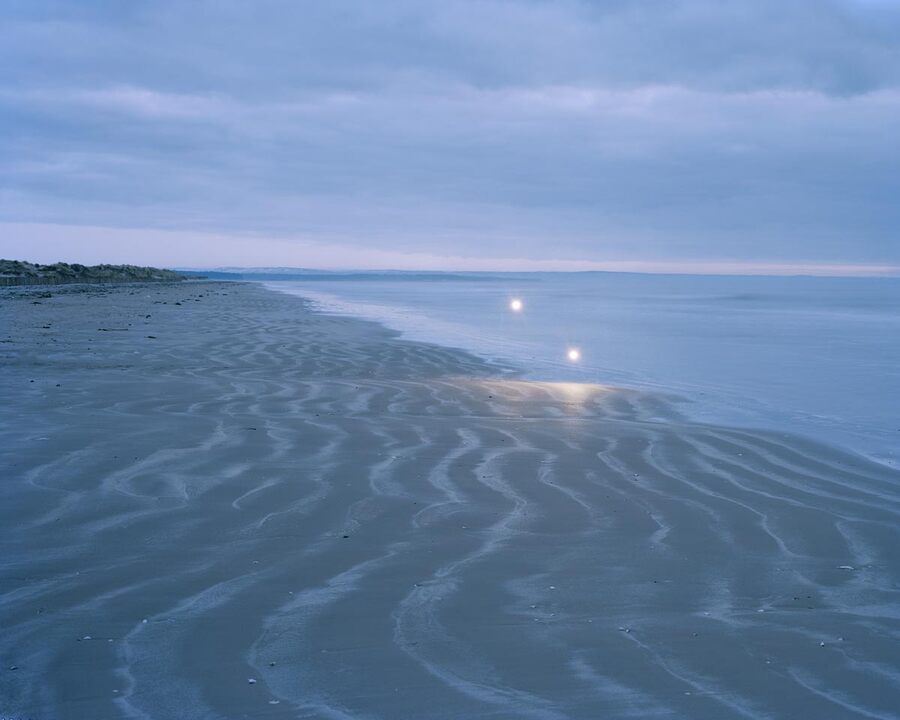
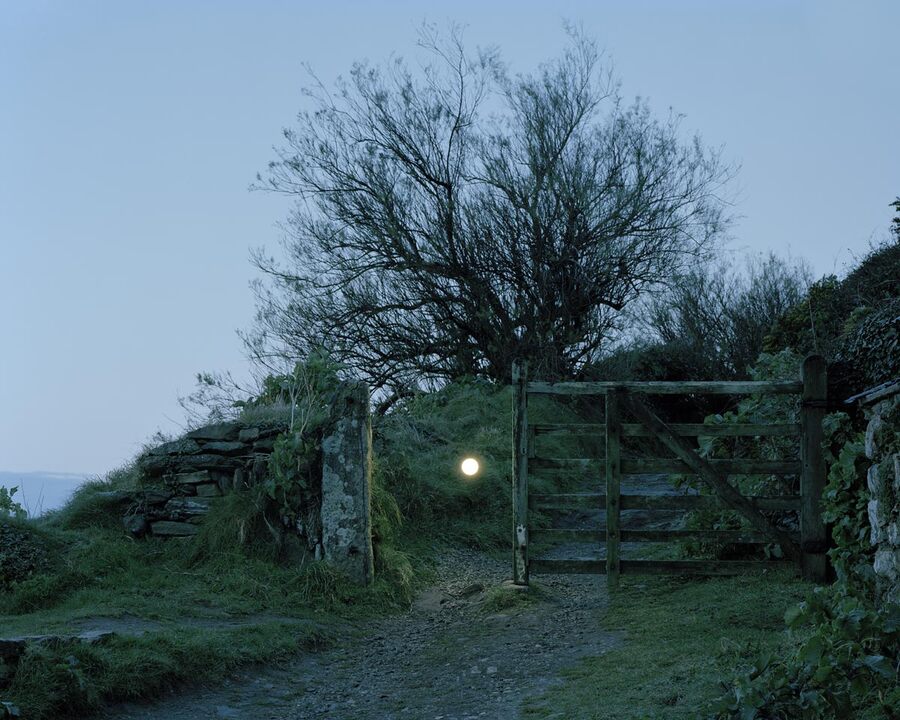
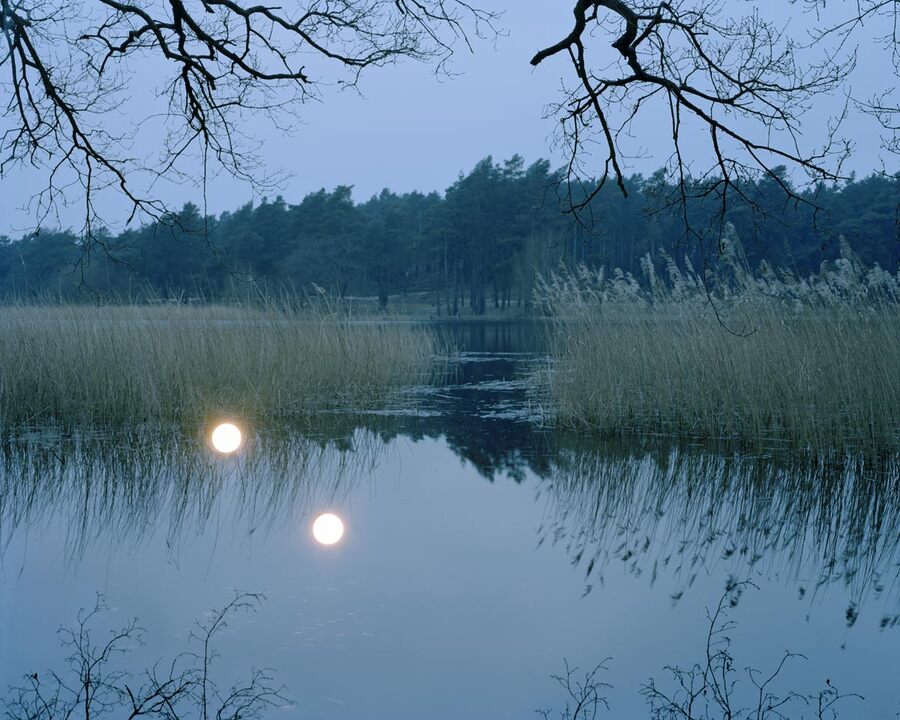
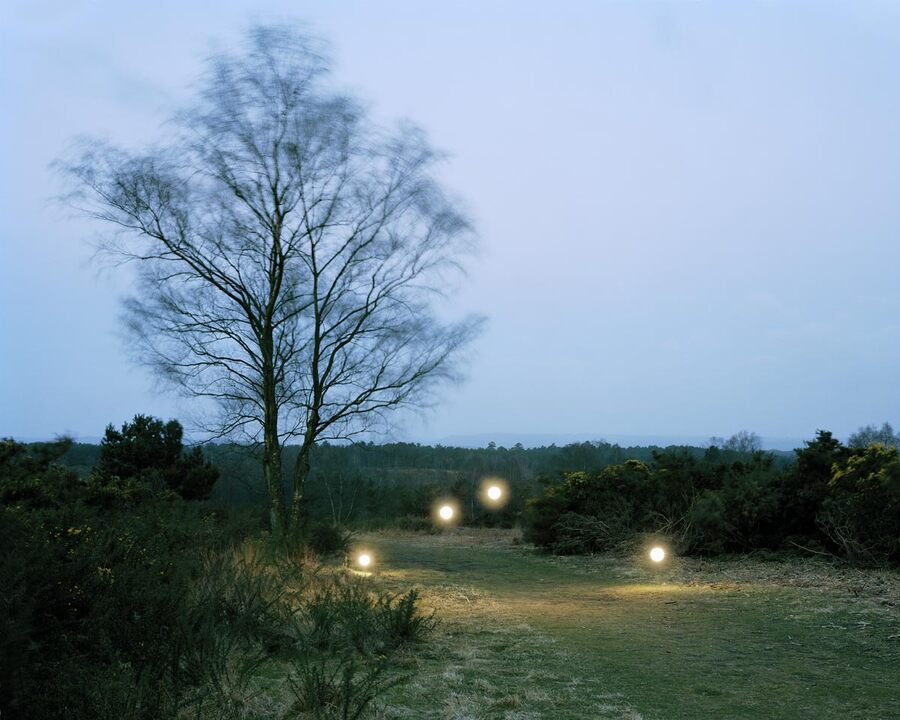
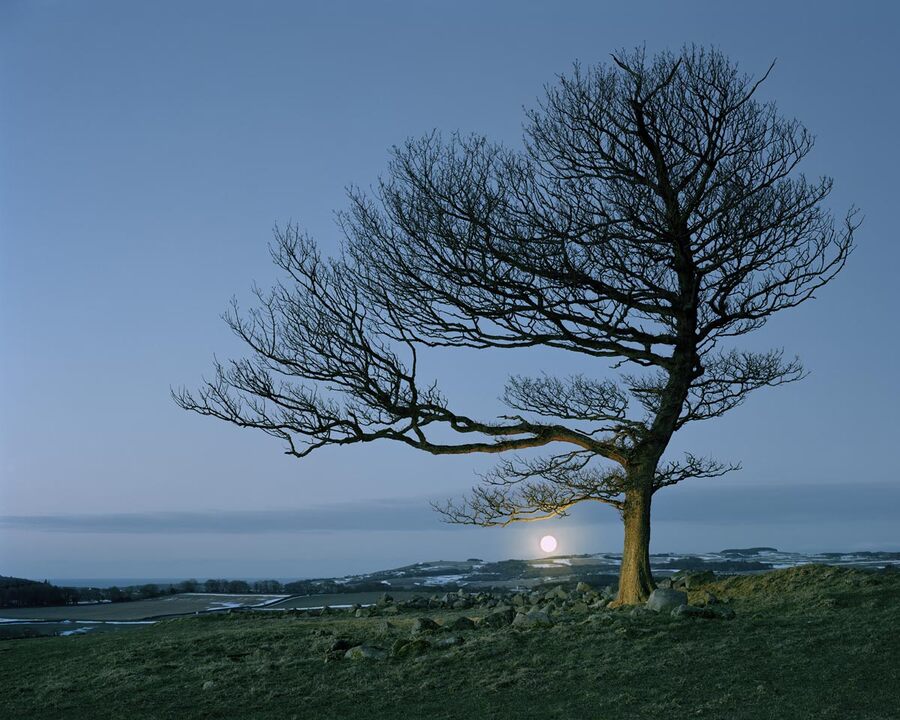
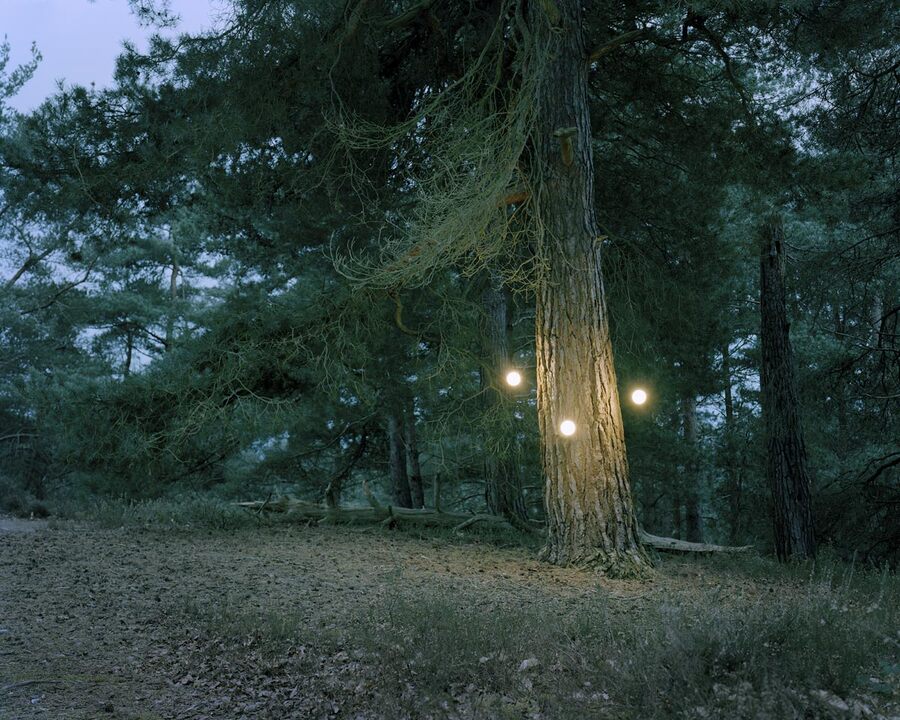
Who sees the worn stone steps of an ancient castle, or passes the paneled walls in a great house, and doesn’t want to put their hand on those walls and their feet on those steps and imagine people from the past doing the same thing? And who doesn’t pass their childhood home and remember 'that is where I slept, where I learnt to walk.'? And yet that childhood home is no longer there, that building, if it is there at all, has become someone else’s home — though the memories of it, the once 'here' remain.
What does 'here' actually mean? We use the word to describe a place, somewhere which can be defined and described in relation to other places — the top of the hill, the corner of the street — and also crucially, somewhere being 'here' necessarily entails that there is an I, or a we, to be there at that time to name it 'here'. And so, all of those 'here’s only exist for a short time. Once we’ve moved away, 'here' becomes 'there' and is no more.
In 'Coastal Path, Cornwall', I can tell you that the path has been worn on the edge of a cliff overlooking the sea of south Cornwall over centuries. As a young child in the 1970's I walked along it, sometimes alone, very early in the morning, before my parents and brothers were awake. Then, that 'here' was a special time and place, where my child self felt independent, exploratory and somehow part of the landscape. This place is not the 'same place' as it was then, nor will it be in fifty years' time — plants will grow, the gate will age and eventually be replaced (or not), but even if that were not the case, simply by virtue of time itself passing, 'here' will not be the same 'here' as it was. That path, that place, exists as 'here' for only the shortest time, and we are there ever so briefly.
As humans, we mark our existence by times and places which have meaning for us, we wrap them in nostalgia like photographs of Christmas Days and summer outings, but the places for which we feel this nostalgia no longer exist; they ceased to be in the moment that they became the past. As we move away in time, 'here' becomes 'there' and 'then
HERE
Lee Byungchan
위축된 제곱미터_ 2021 Shrunked square meter_ 2021
Sinjang dong Archive 신장동 아카이브 Art Space Duchigak 두치각
Director_ Saeng-gang, Lee Project Manager_ Chang-beom, Heo
Pyeongtaek si, Gyeonggi do
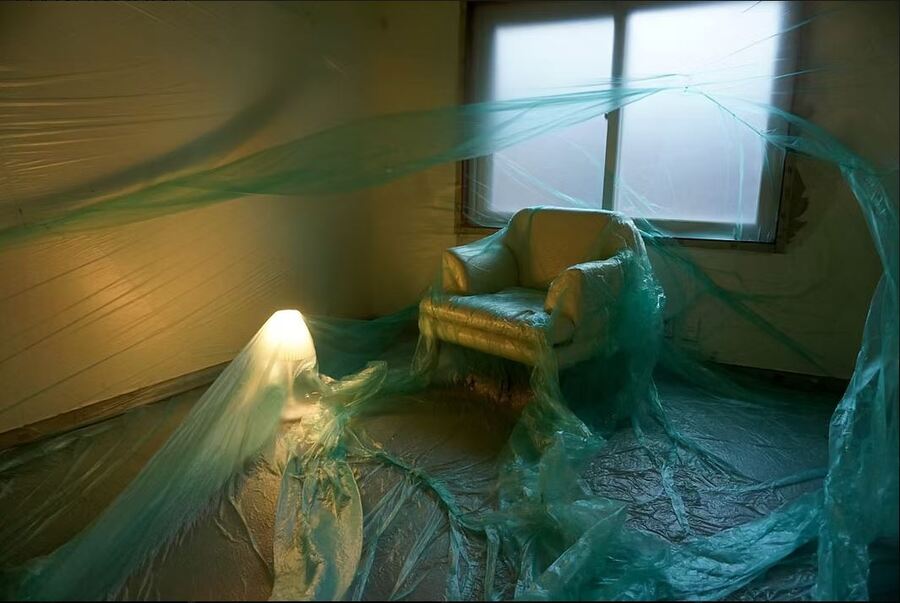
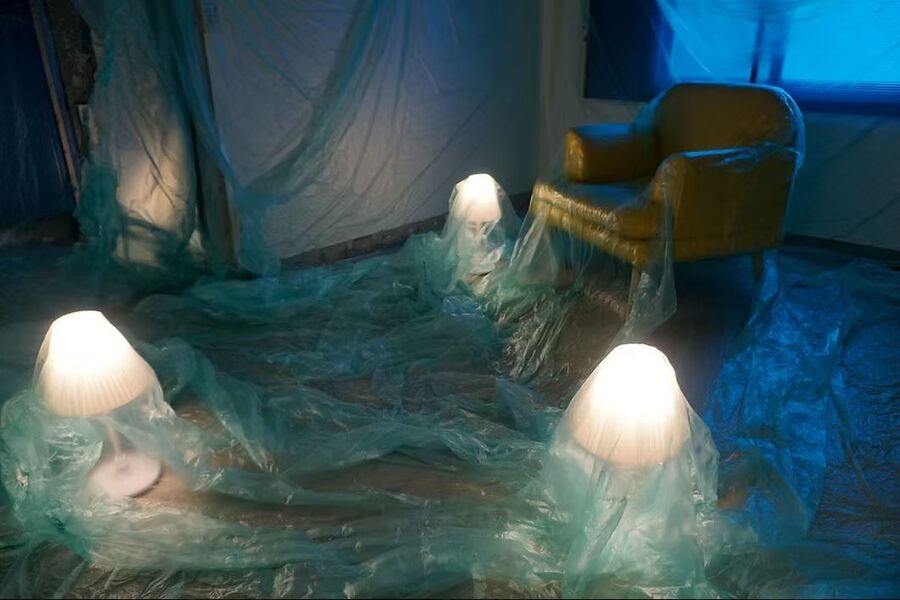
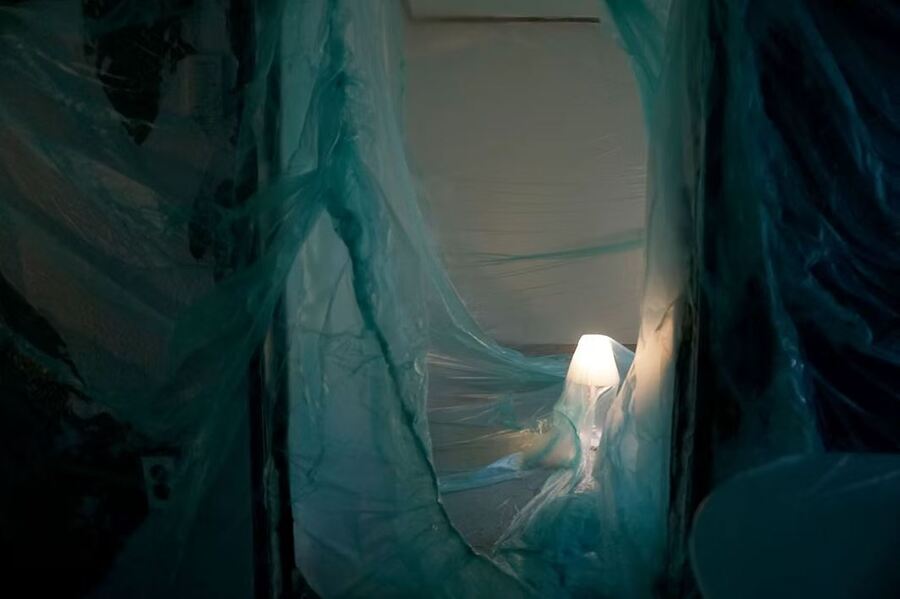
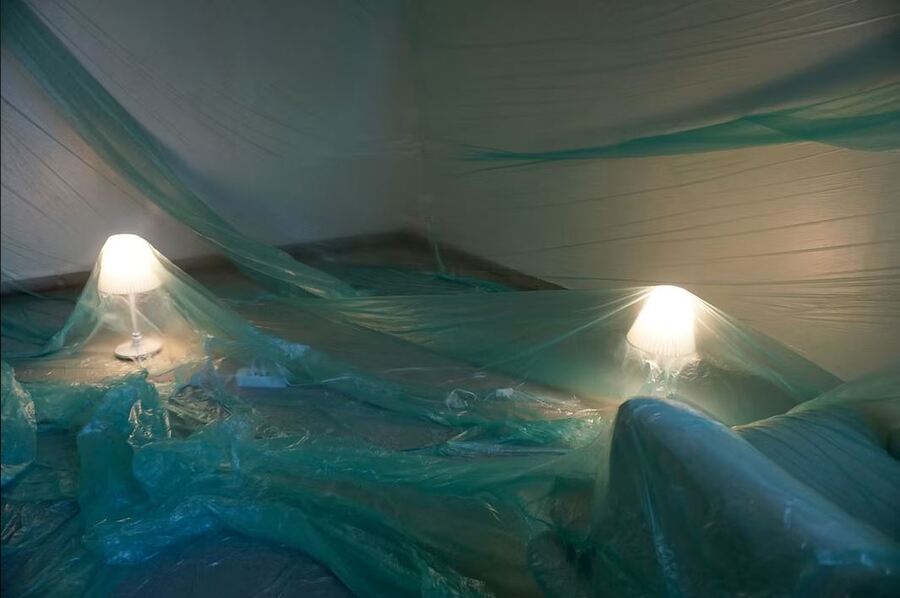
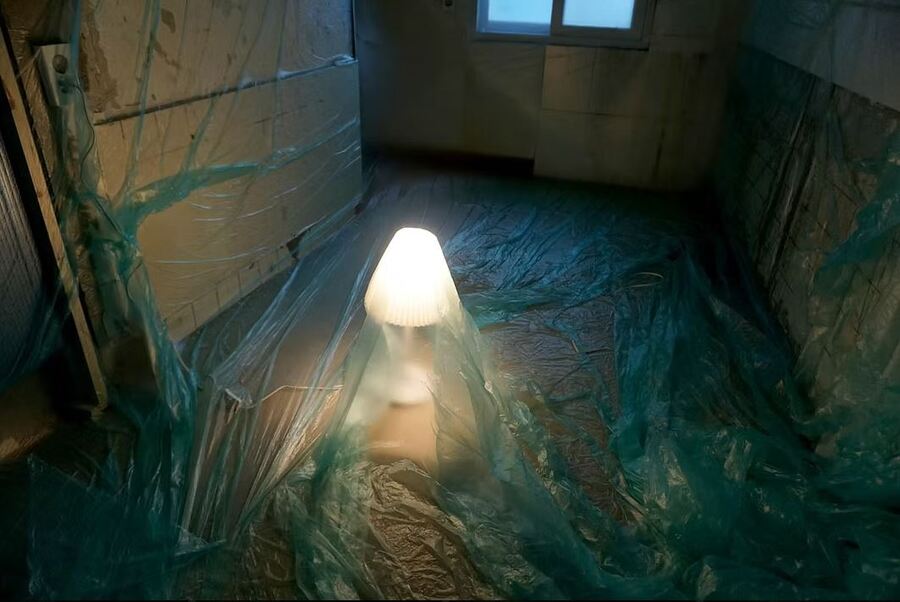
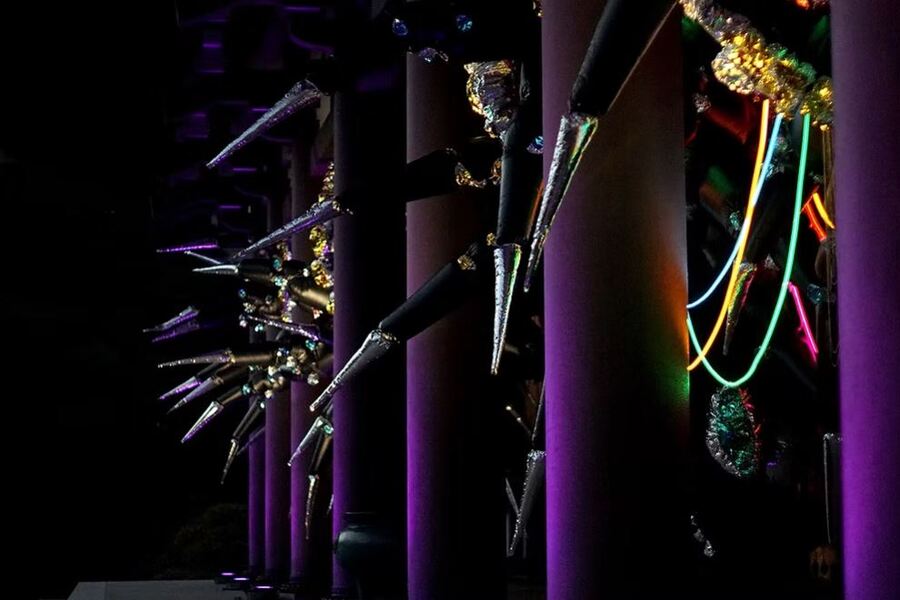
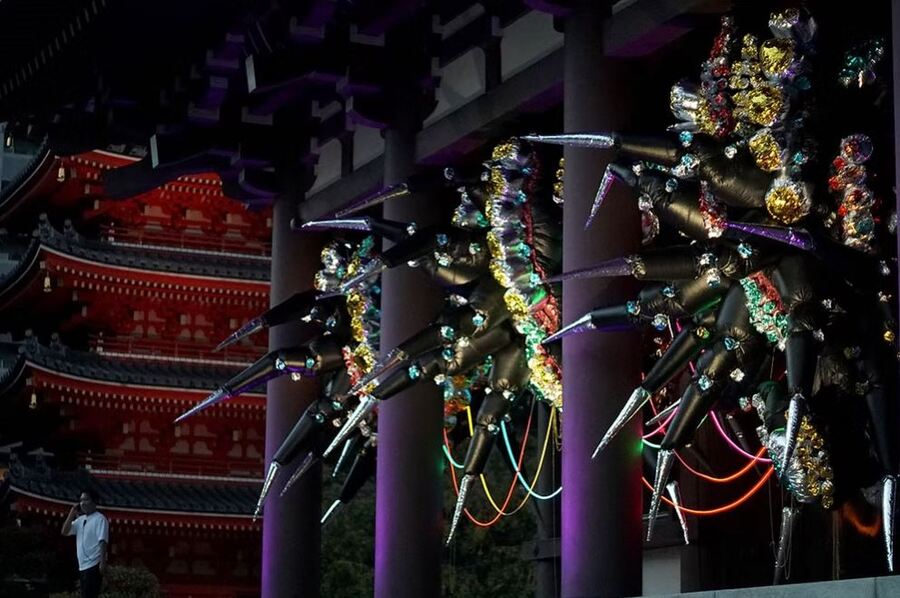
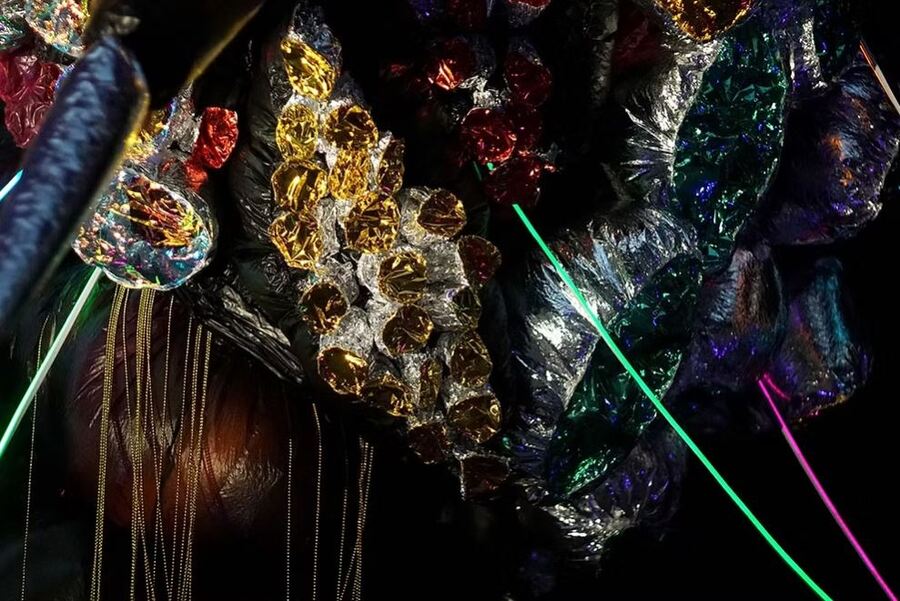
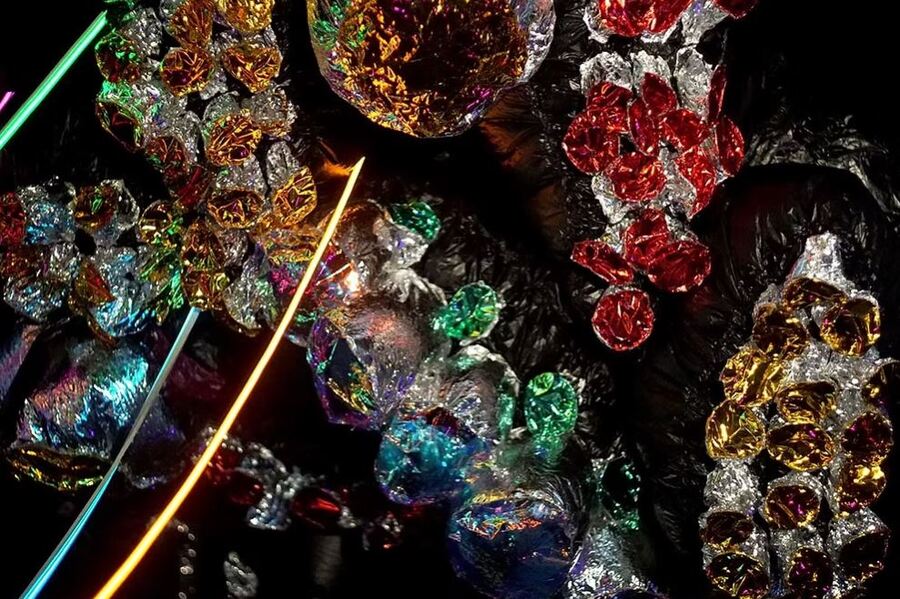
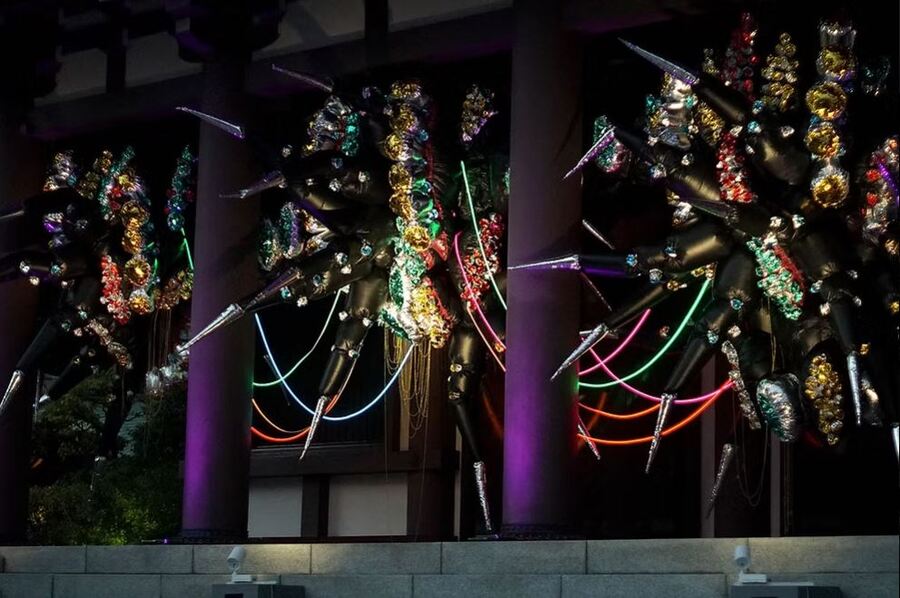
CREATURE INSTALLAION 2022
JAPAN, FUKUOKA FaN WEEK Tōchō-ji, 東 長 寺 FUKUOKA ASIAN ART MUSEUM Artist Residence Program_2022
CURATOR IGARASHI Rina Nakao Tomomichi KAMACHI Masae
COORDINATOR Midori Miyakawa
Nicole Weniger
I stage sceneries playing with absurdity and the unknown.
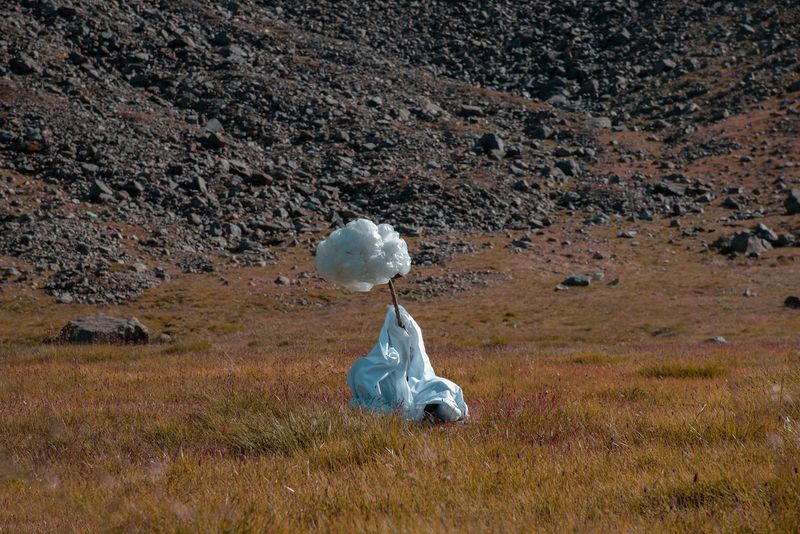
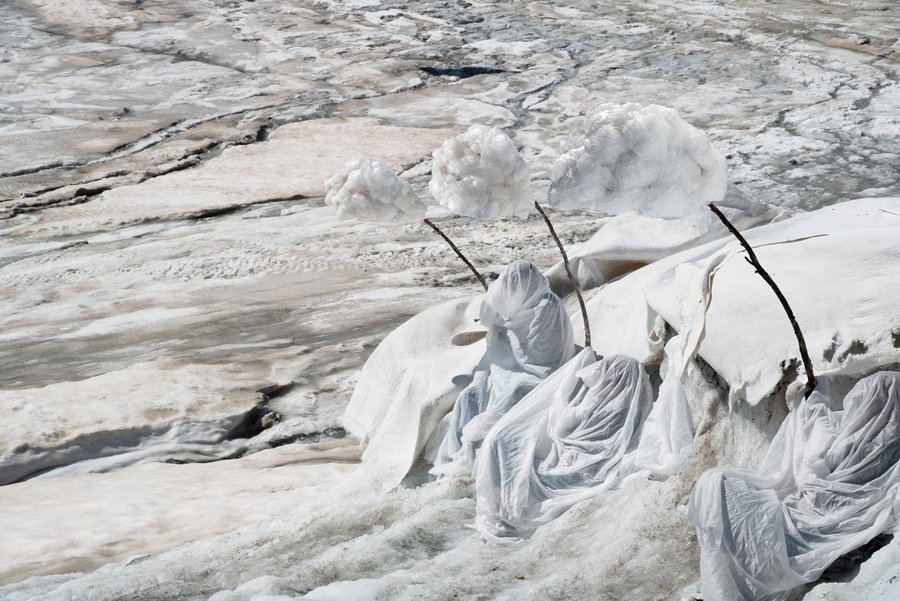
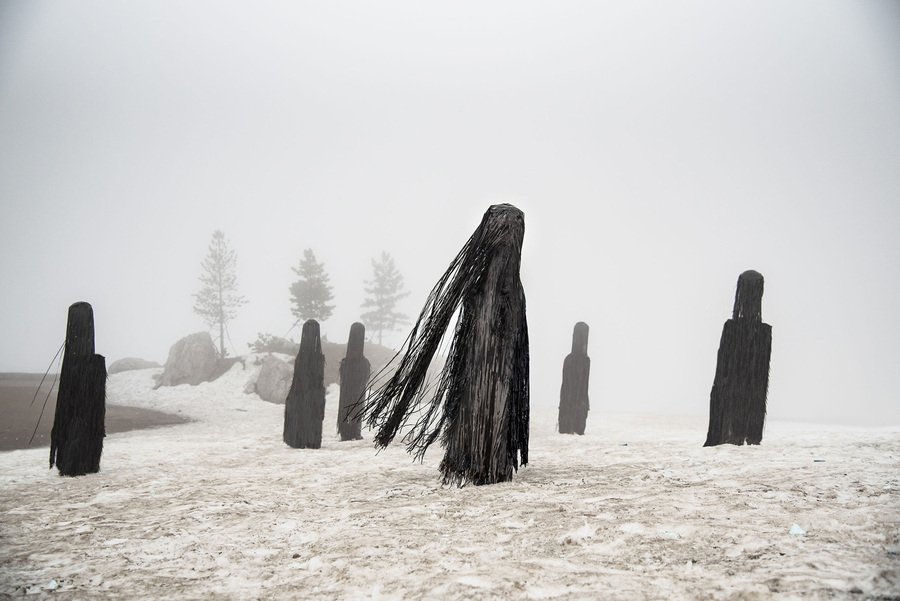
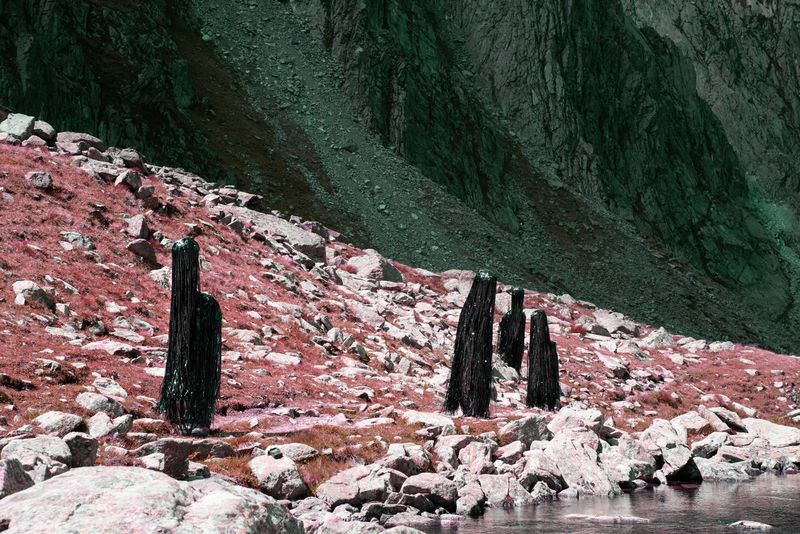
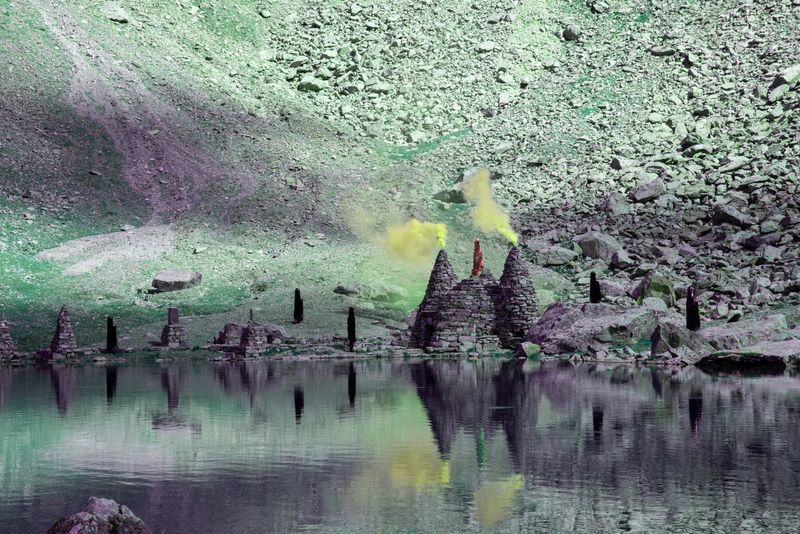
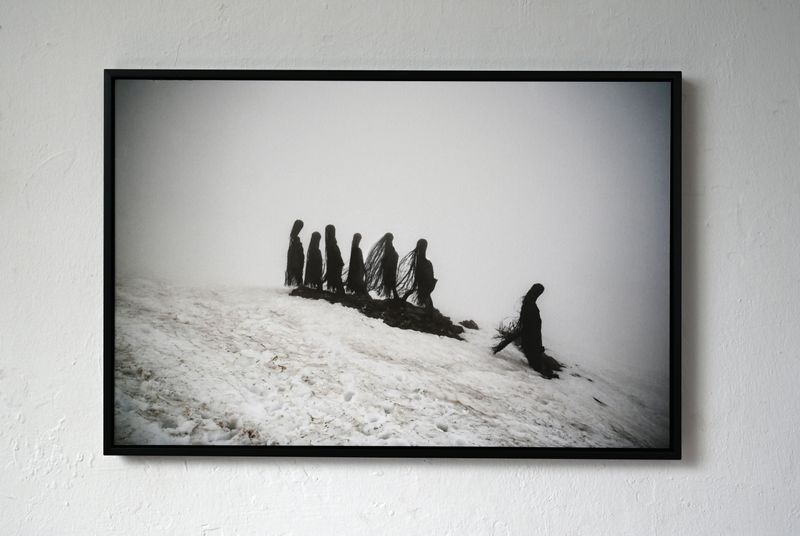
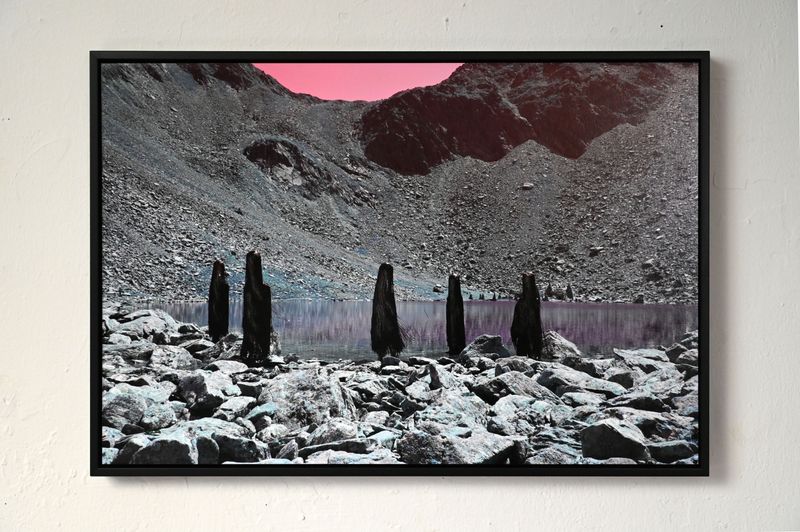
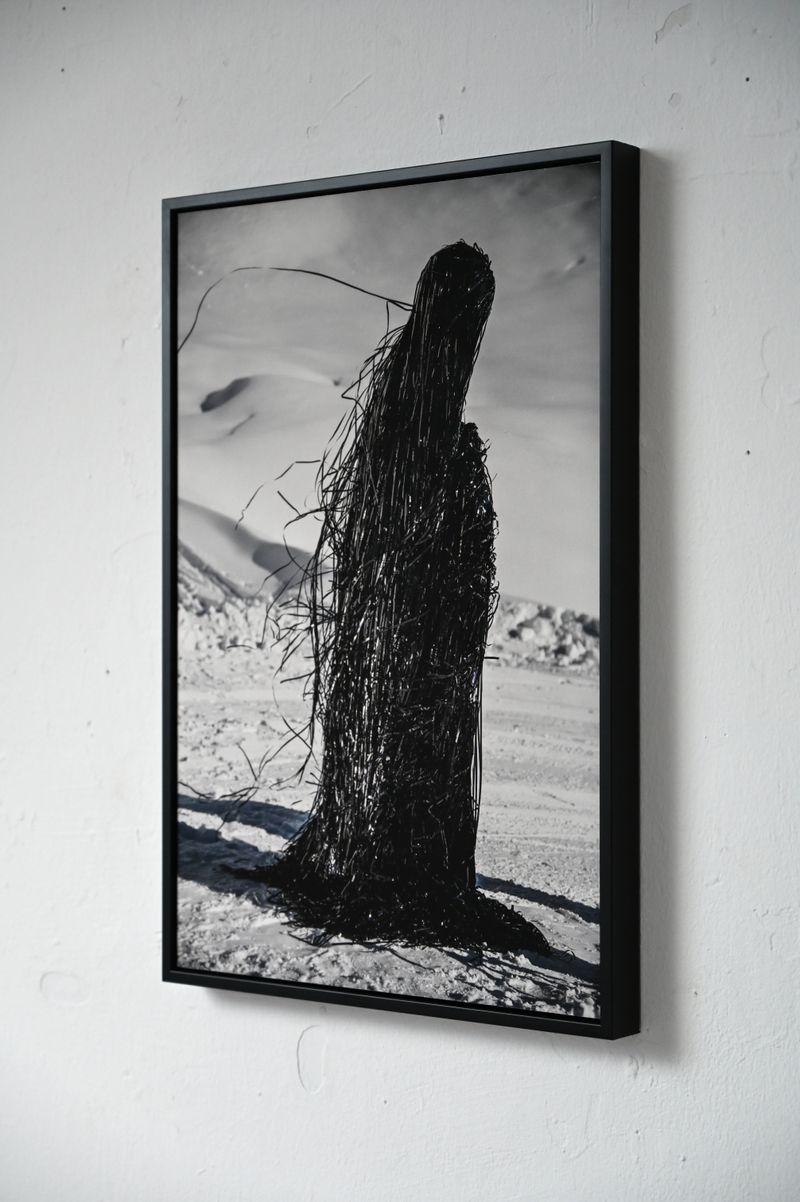
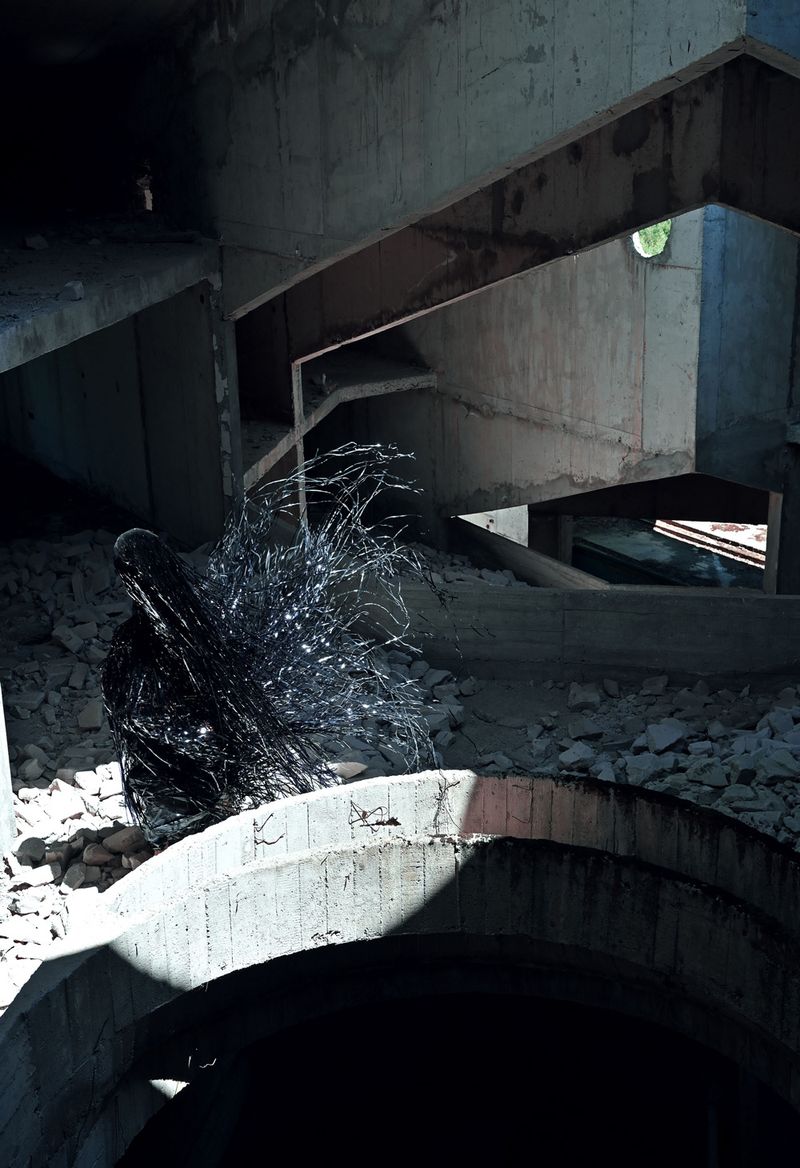
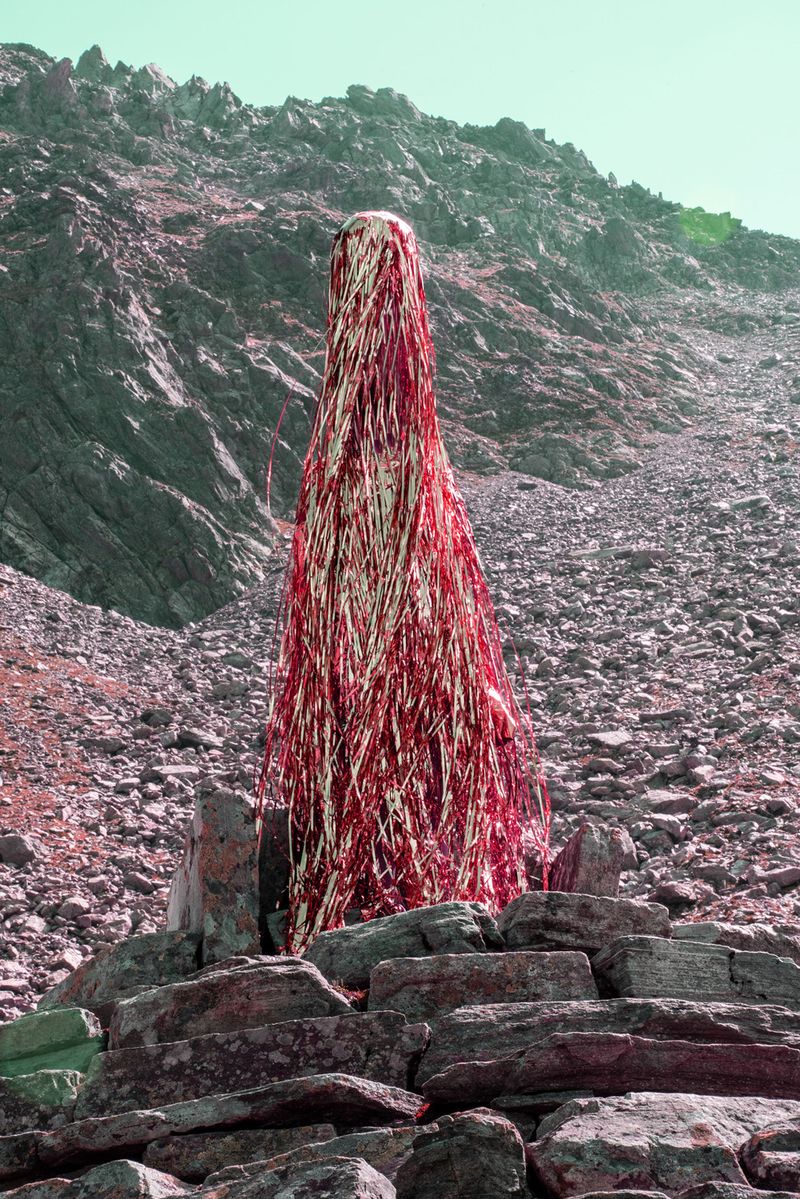
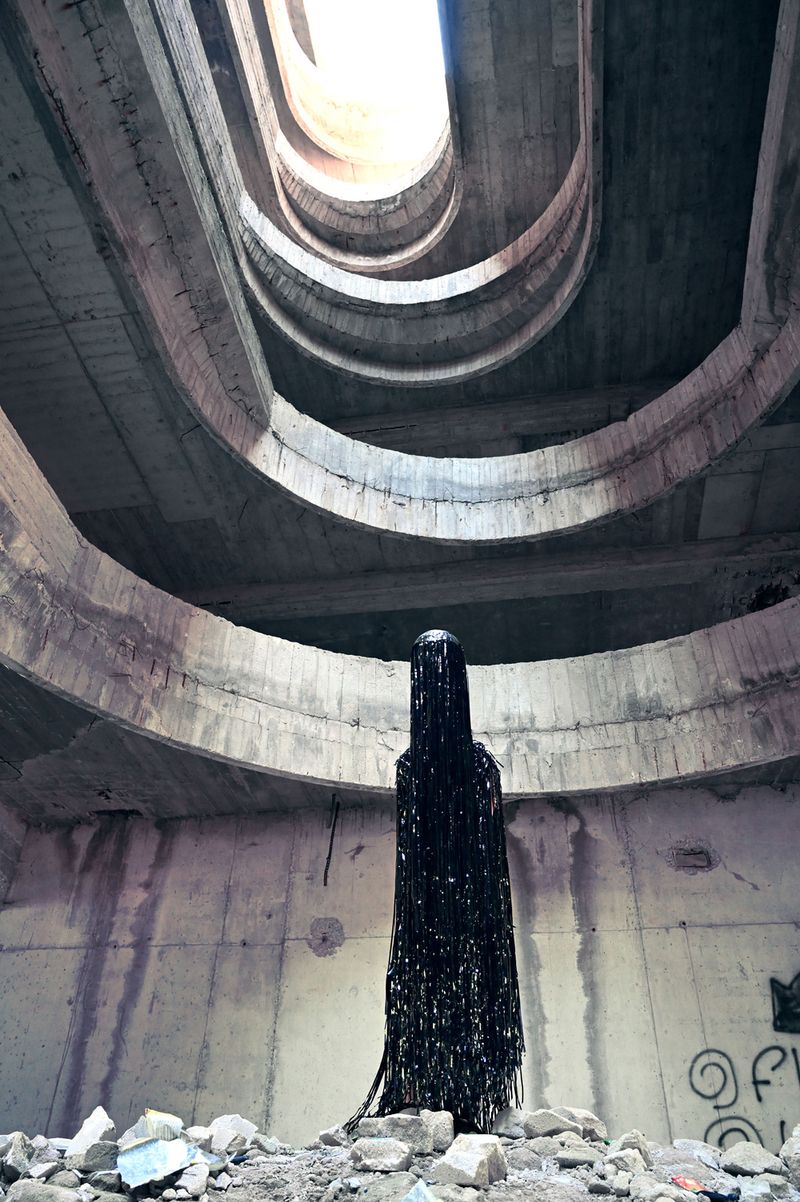
Cloud People is showing creatures that found their habitat around geo-textiles. Those textiles are covering glaciers in summer, in order to prevent further melting of the ice and save some snow for the winter. Nicole Weniger has been working around those landscapes for several years. Especially in summer, when there is no snow covering them, one can see «what’s left» and the place is revealing its wounds. By adding objects or creatures, like in other series, Nicole Weniger is attributing a certain narrative and provoking our own reflection on the landscape.
The Unknown
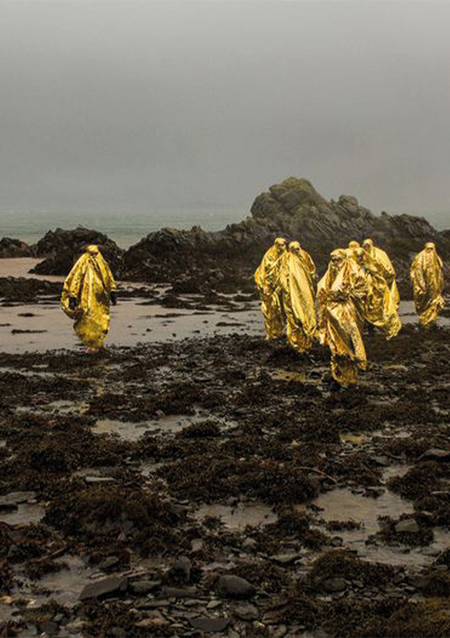
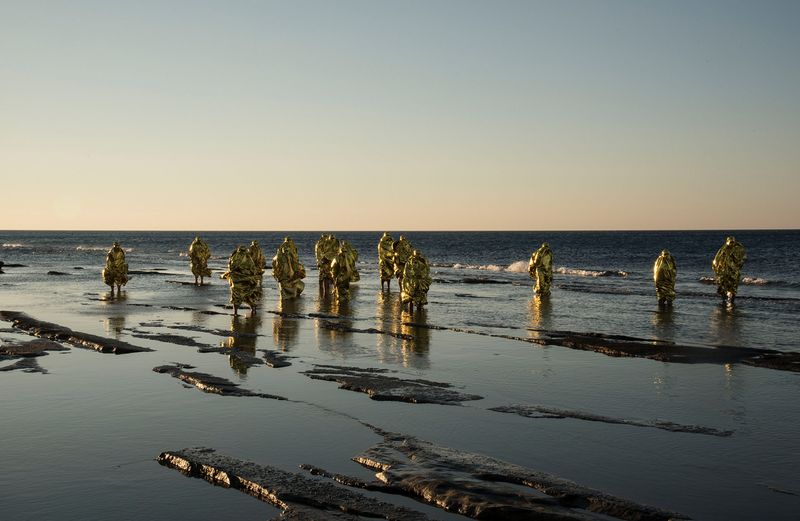
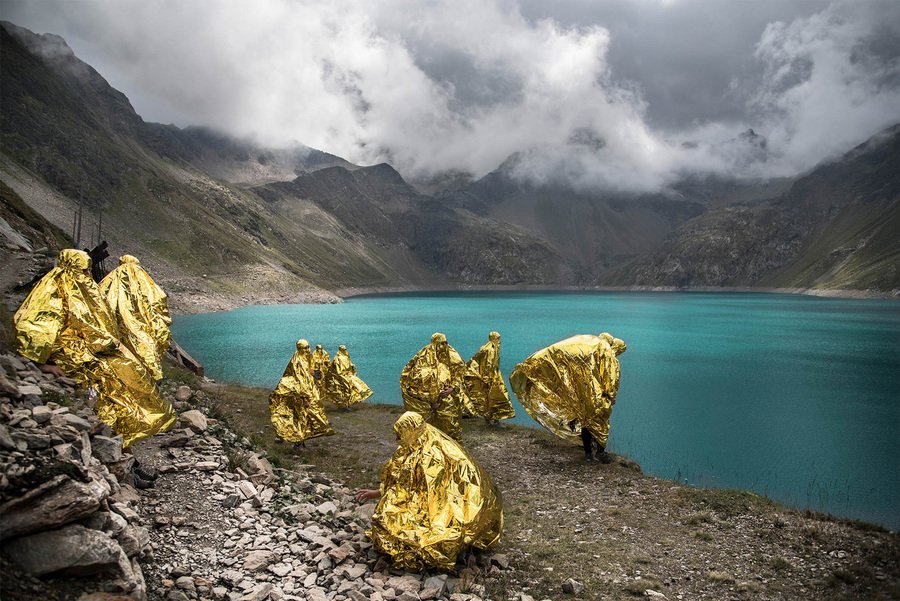
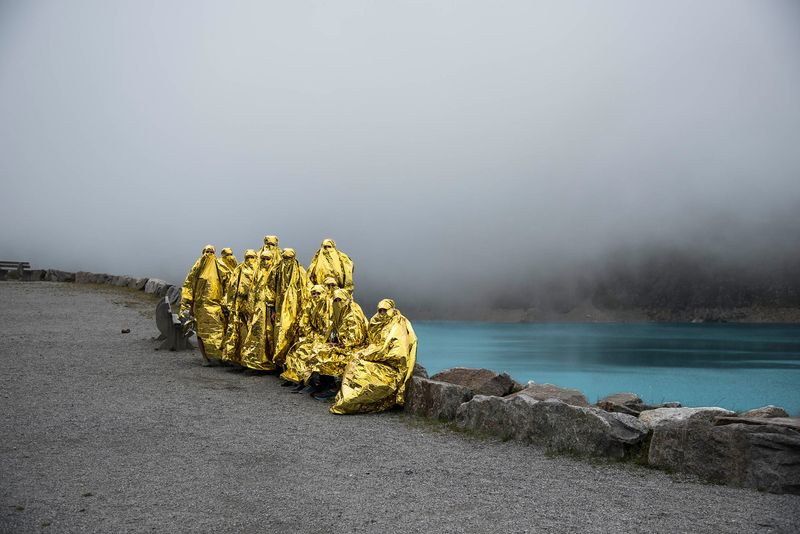
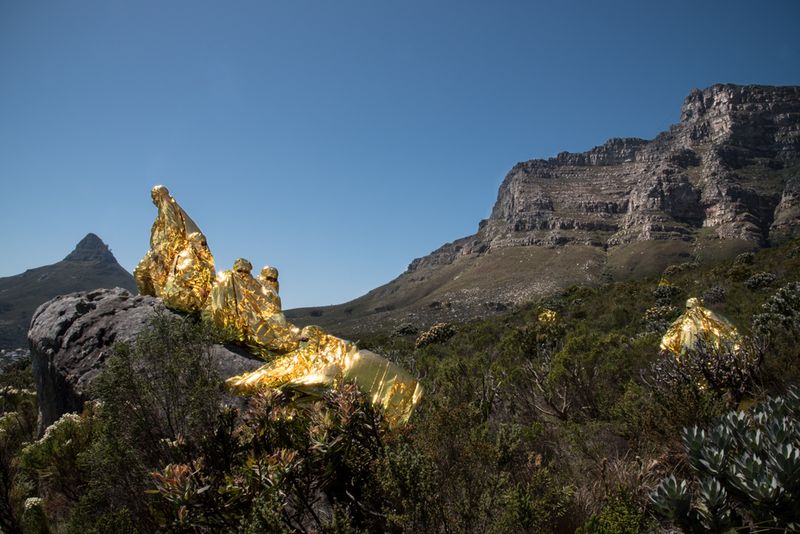
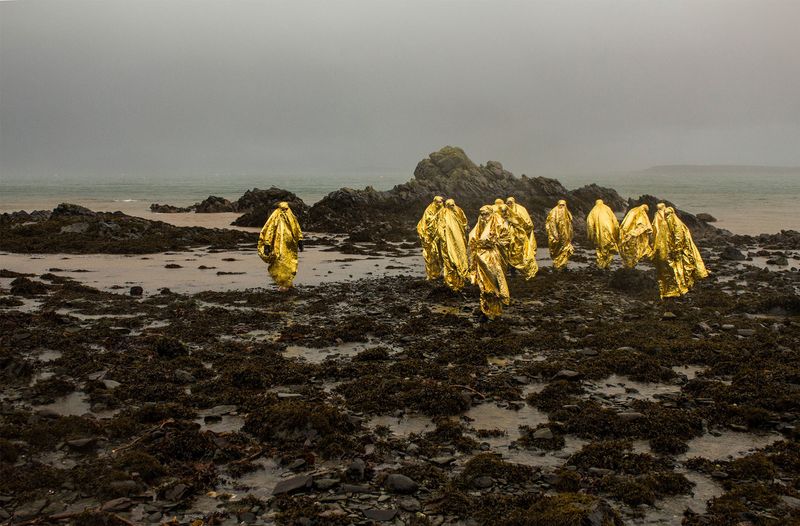
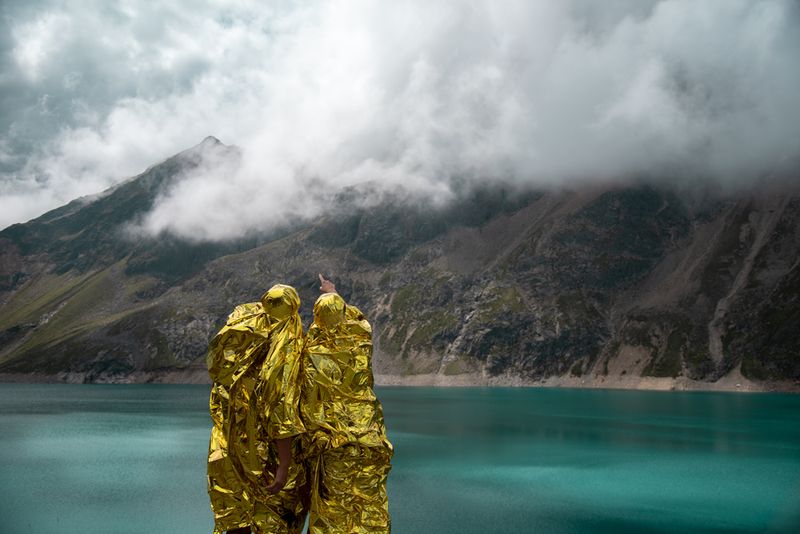
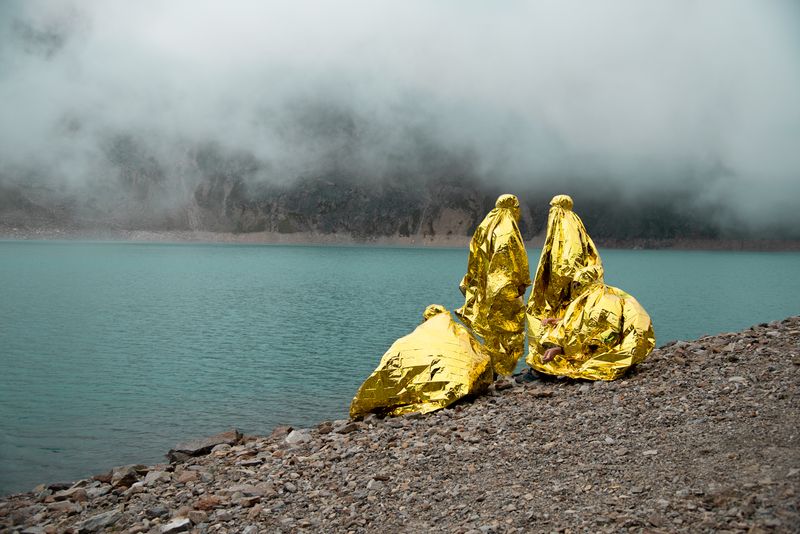
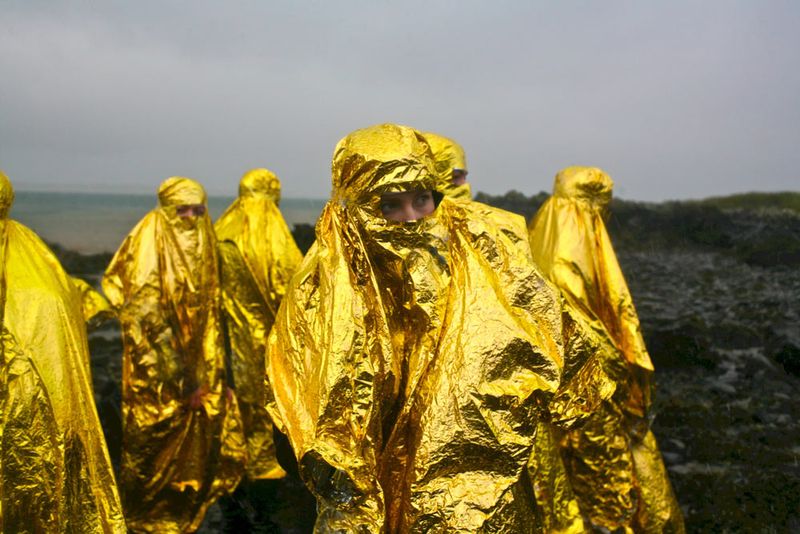
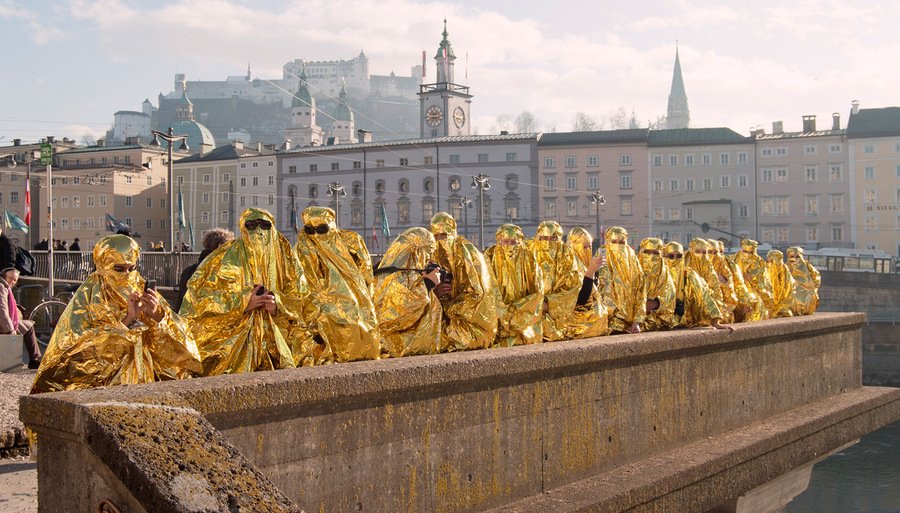
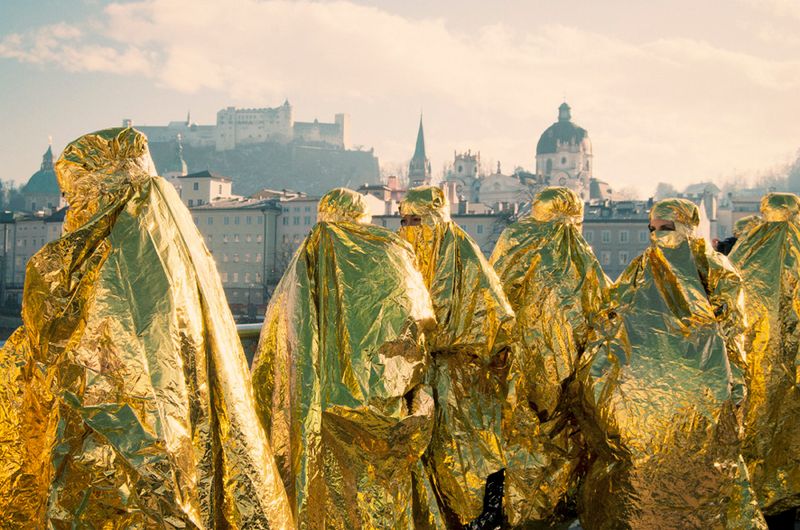
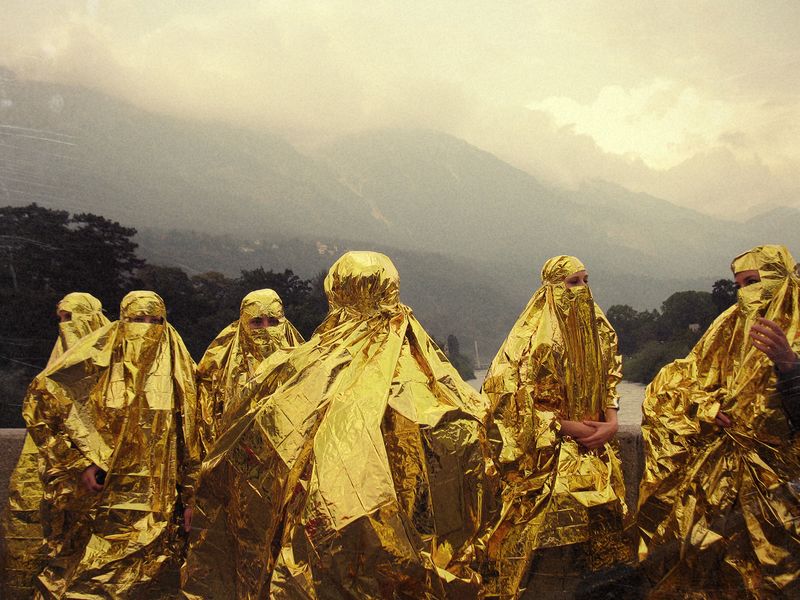
Figures wrapped in rescue foil convey in an almost surrealistic way an arrival in limbo between uncertainty and search. The people under the golden clothes wander through impassable mountains and over barren coastal strips, and stay unidentifiable. A surreal image emerges, showing an unclear moment of arriving and locating oneself.
Vulcania
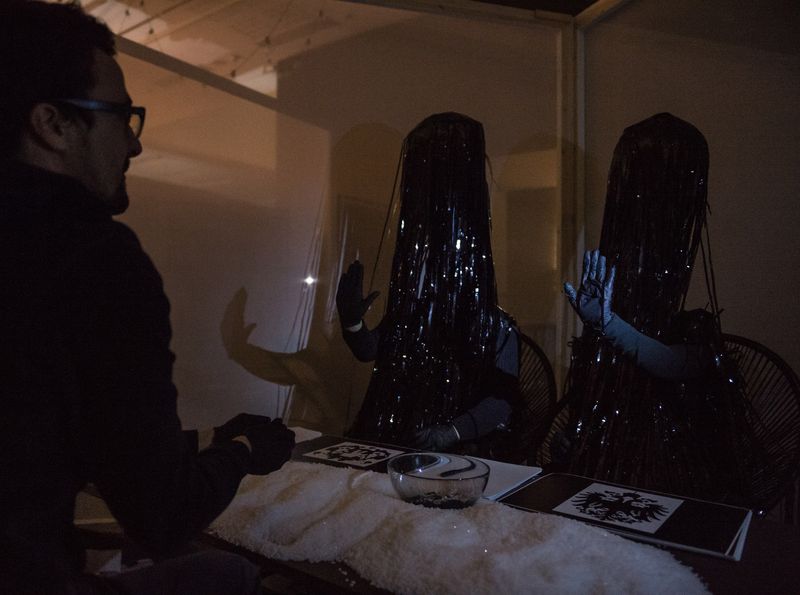
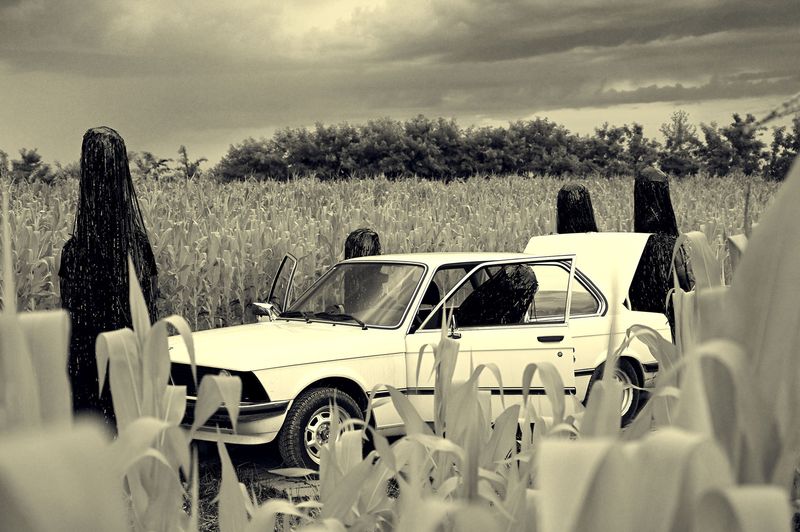
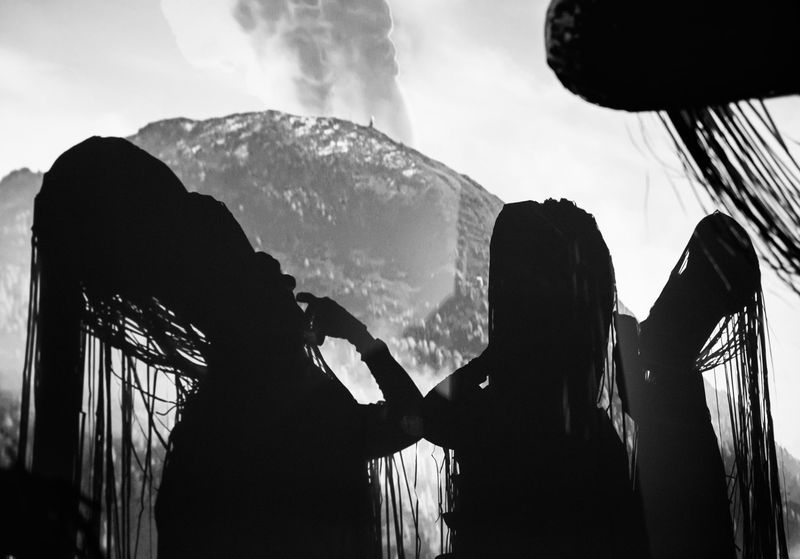
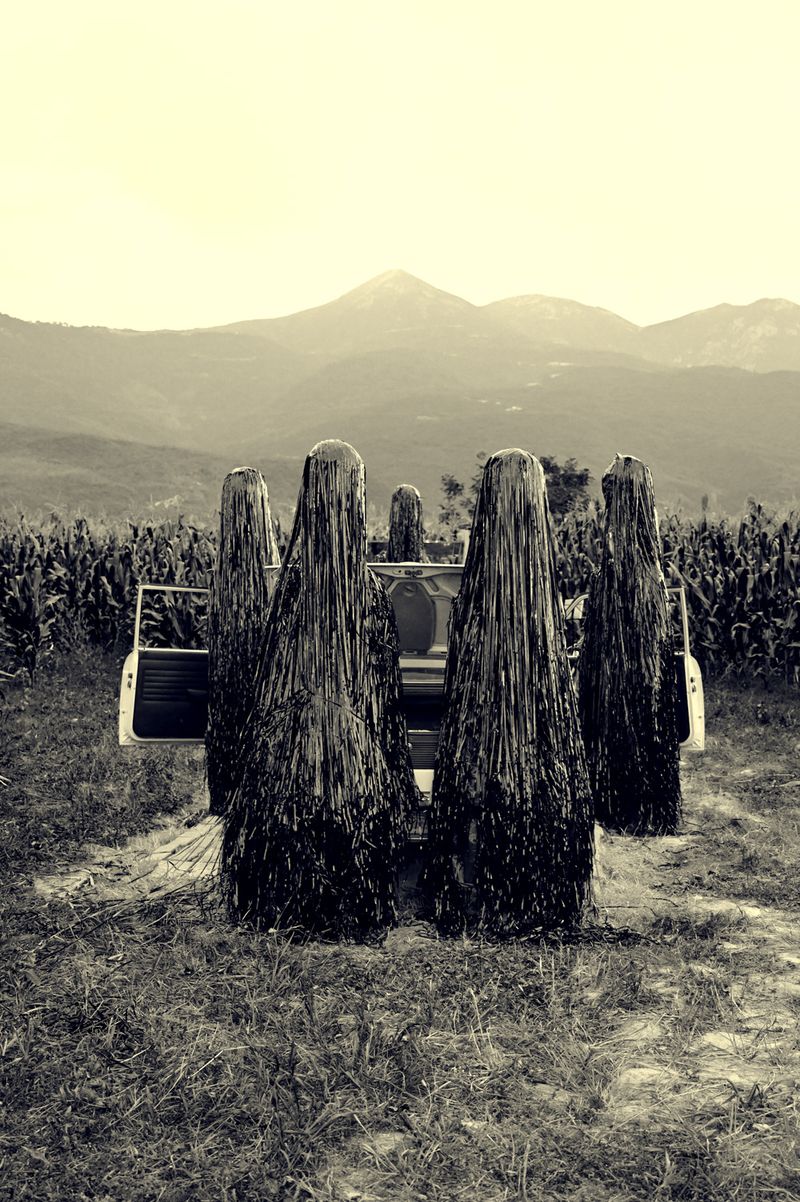
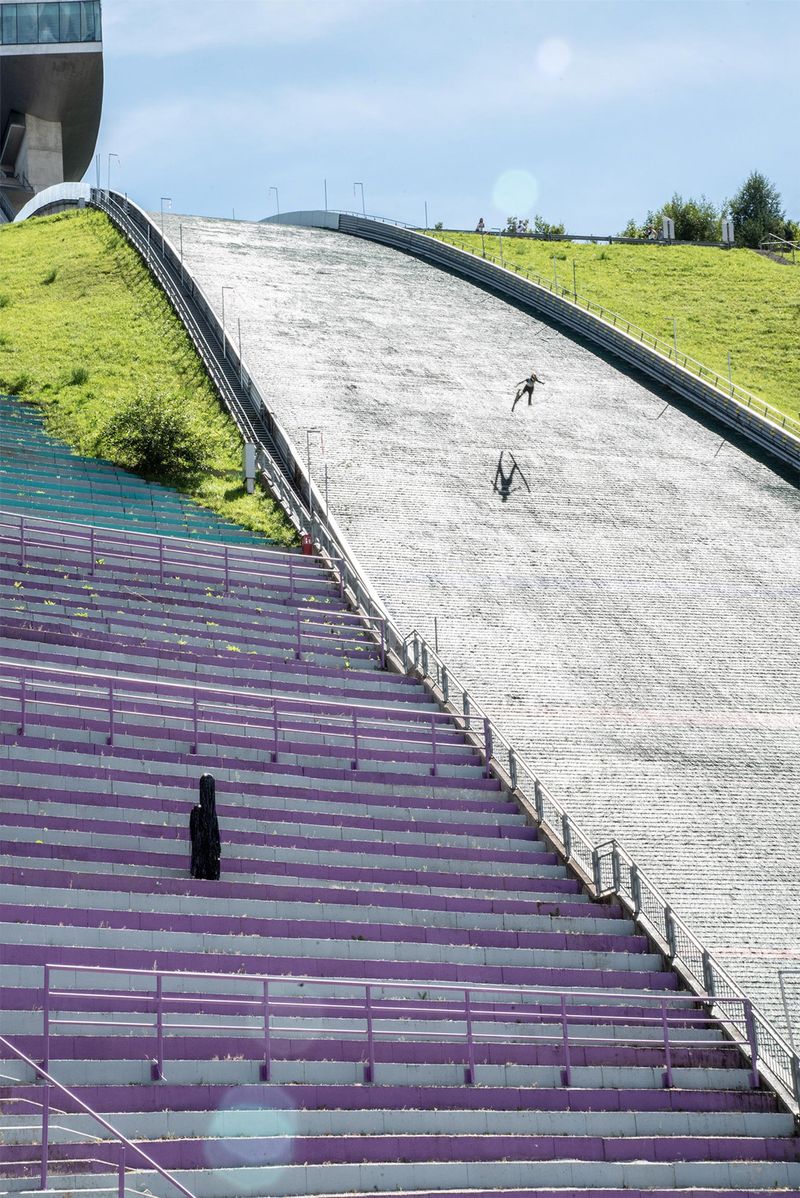
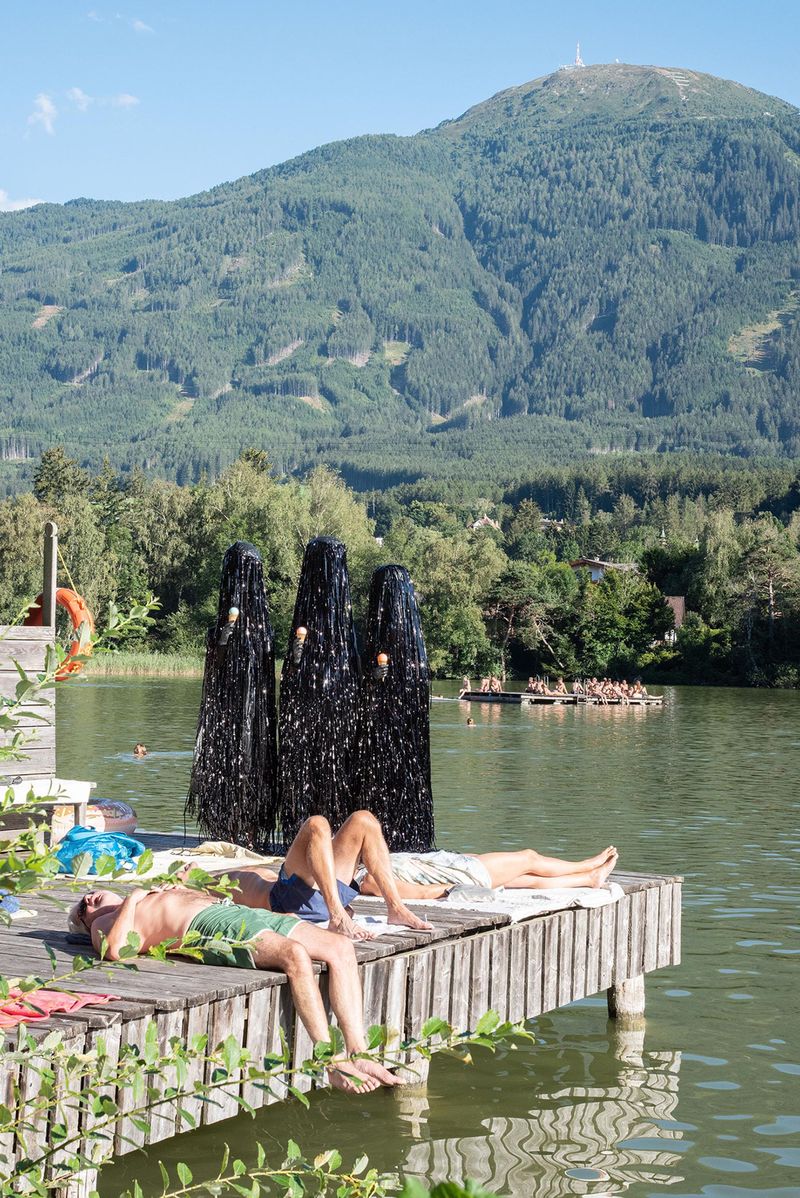
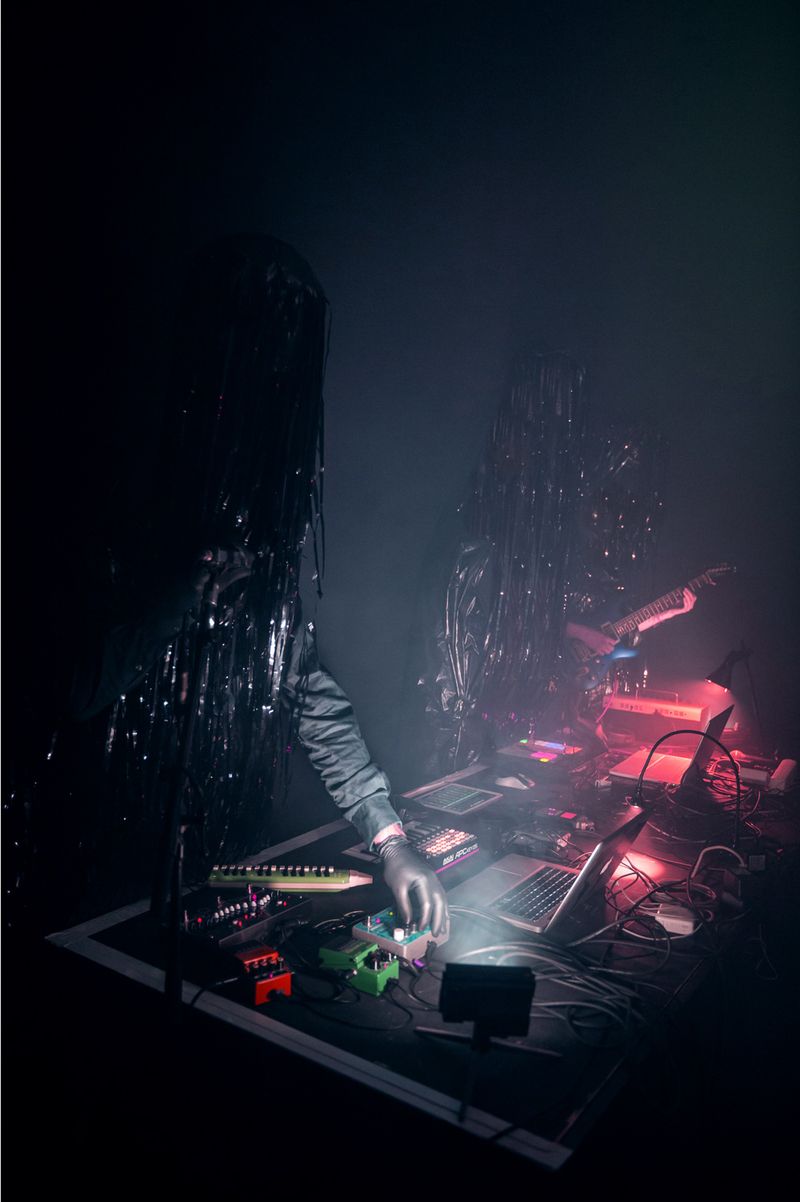
Based on the myth, that Innsbruck‘s local mountain, the Patscherkofel, is an extinct volcano, Nicole Weniger initiates the performative project VULCANIA. Beings that originate from the presumed volcano are the main protagonists. They raise the question of which origin, activity, etc. is decisive, or pretends to be so, in order to be able to describe yourself as «typical», «native». Since they had been living inside the volcano for decades, they claim to be the most origin beings of the area. Questions of collective identity of the inhabitants living in the alpine region and beyond, are being explored. How much do we identify with our surroundings and What myths are spun around them? How can we react to this artistically and reshape a myth?
Seasonal Integration
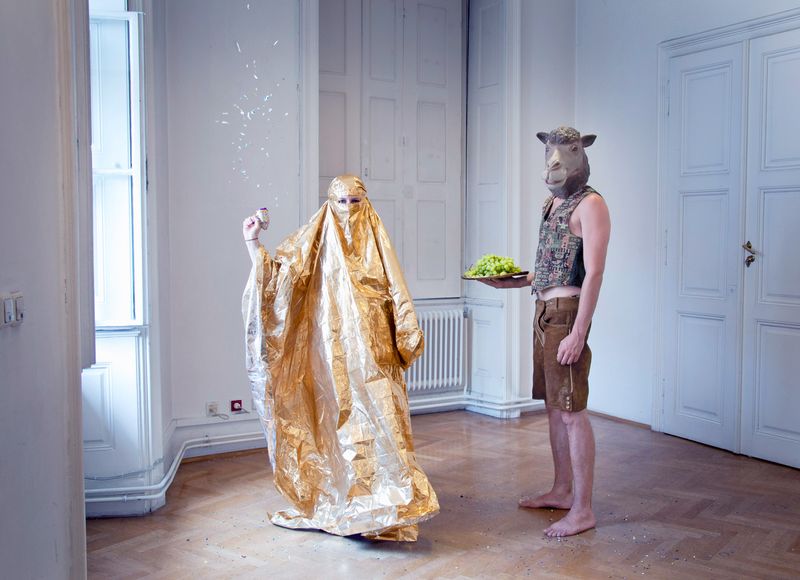
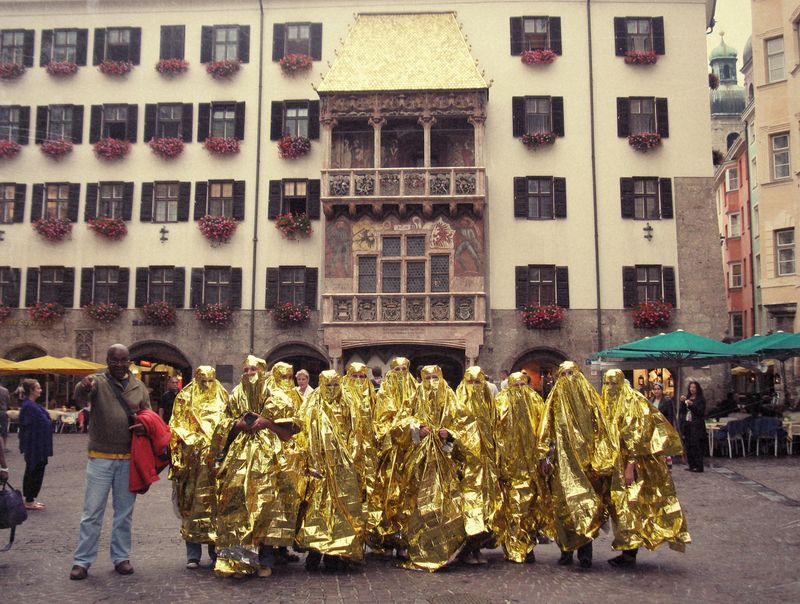
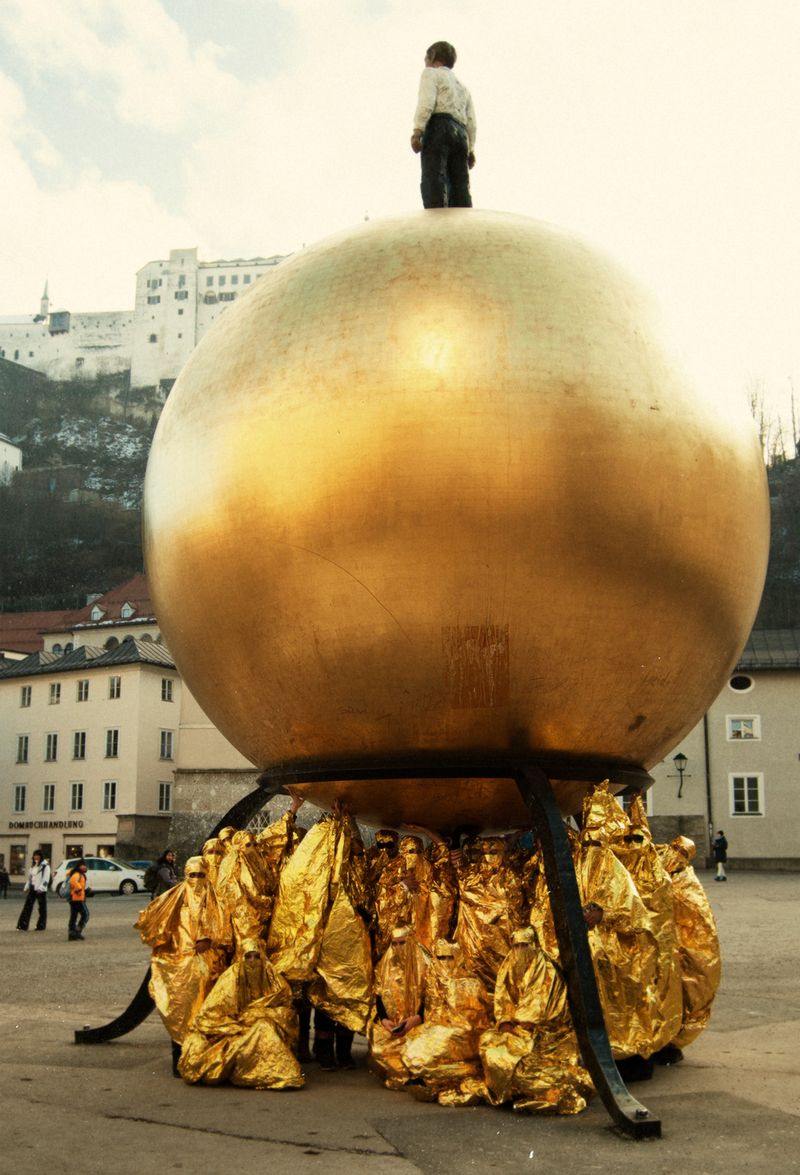
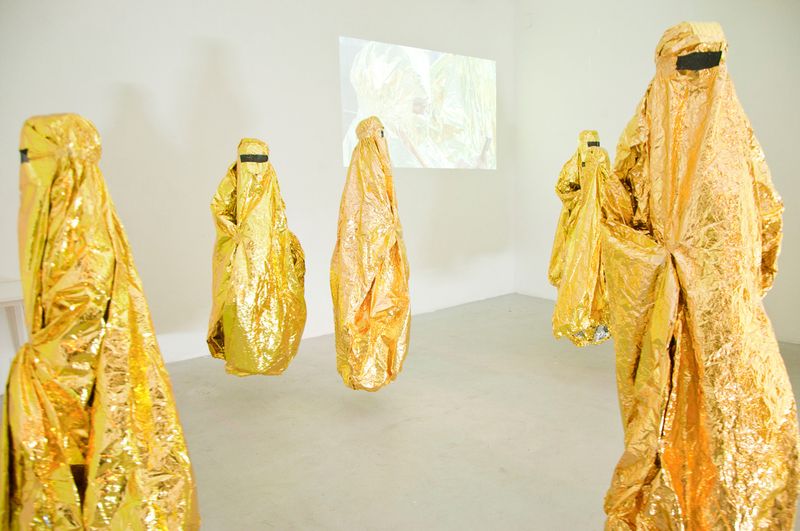
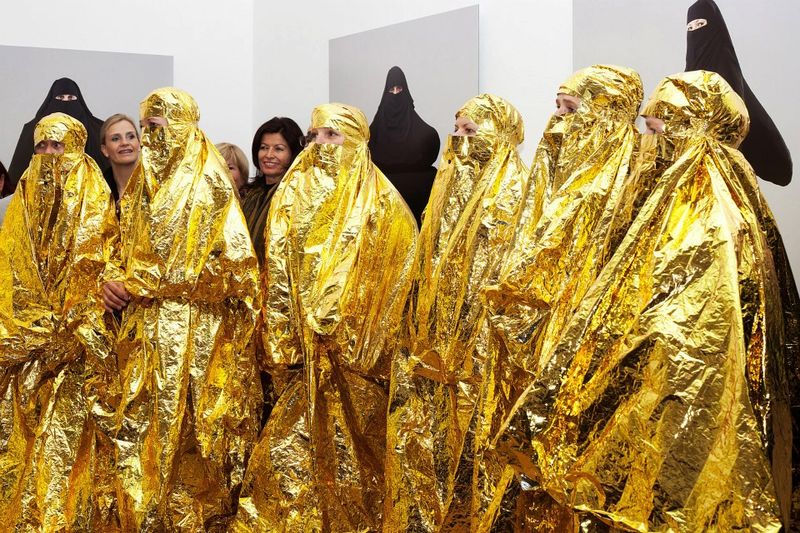
The burka ban that has been debated in Europe is an attempt to halt the appearance of the burka in public. Contrary to this, one is happy to welcome the well-heeled Arabic tourist as a guest. Islamophobia is at odds with profitable tourism management. An ever-growing number of Arabic holiday-makers are choosing to visit Austria. In an effort to profit financially from this phenomenon, courses and workshops are now on offer, which are supposed to teach the correct etiquette and protocol for dealing with Arabic tourists. Zell am See is turning into Little Abu Dhabi; traditional restaurants are changing their names to Ali Baba. Seasonal Integration with a glossy finish. The performance Seasonal Integration first took place with the artist collective TheNewMonarchy in Budapest.
evelyn bencicova