
Contents:
- Communication theory in the field of design. Narrative and visual strategies
- Brand presentation for a broad audience
- Presentation for a professional audience (designers)
- How we used communication theory to create the brand strategy

Communication theory in the field of design. Narrative and visual strategy
As a team, we used the course concepts to rethink communication specifically in a design context. In design, communication is not just the delivery of information — it is the construction of meaning through visual form, structure, and interaction. Any interface, poster, or identity system functions as a message: it selects what to show, what to hide, what to emphasize, and what emotional tone to set. The viewer then interprets this message through their own cultural background, personal experience, and expectations.
According to Craig’s 7 traditions in communication theory, from a semiotic perspective, design works through signs: color, typography, imagery, layout, and interface patterns carry meaning even without explicit explanation. From a sociocultural perspective, design is embedded in everyday practices — scrolling, sharing, browsing, learning, consuming content — and it either reinforces or reshapes what feels «normal» in those practices. From a rhetorical perspective, design also persuades: it builds trust (ethos), provides arguments or evidence (logos), and creates emotional engagement (pathos), especially in digital environments where speed, interactivity, and visuals dominate.
At the same time, communication is always relational. Brands and products do not only «talk» — they build a relationship with the audience. Here Politeness Theory is useful as a practical lens: design and tone of voice can either invite the user in or create distance, either support curiosity or trigger insecurity and gatekeeping.
Finally, people process messages differently depending on attention and motivation. The Elaboration Likelihood Model explains why some users want deep, rational content (using the central route), while others enter through quick cues, aesthetics, and cultural references (using peripheral route). For a communication strategy, this means we need systems that can work for both modes without losing coherence.
Presentation of the PARASHUT brand for a broad audience
Who we are
We are an online archive and storytelling platform about unusual inventions and the people behind them. We collect verified stories, sketches, and «traces» of ideas that were misunderstood, rejected, or ahead of their time — and we present them in an interactive, playful form.
Our goal
To make science and invention feel human, emotional, and culturally diverse — without losing accuracy.
Who the brand is for
- Curious users (roughly 18–35) who like history, science, culture, museums, internet-archives, and «weird knowledge».
- Students and young professionals who enjoy learning in a non-boring way.
- People who feel «different» and want community narratives where being strange is normal.
We let our audience be a part of the process of creating the meaning: users don’t just receive content — they interpret it through their own experience of curiosity, rejection, and identity.
Our message
Main message: «Weird inventions — true stories». Supporting message: «Being curious isn’t weird».
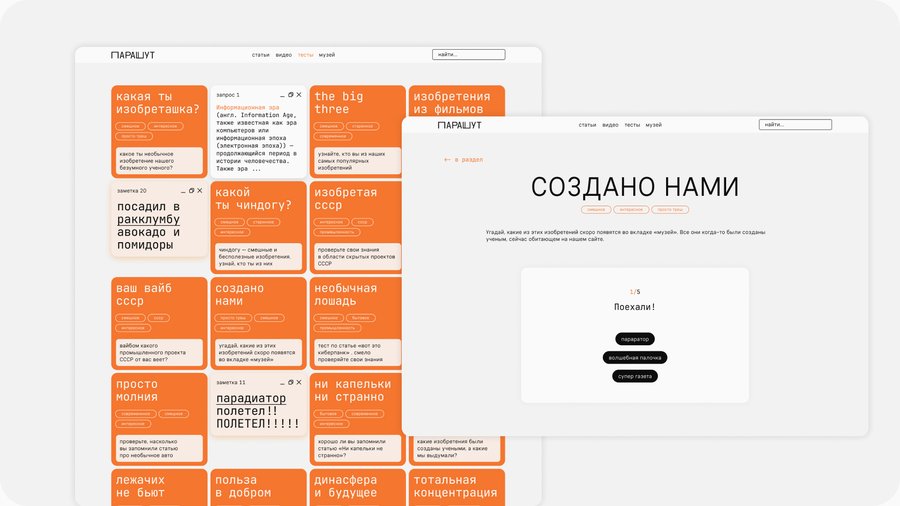
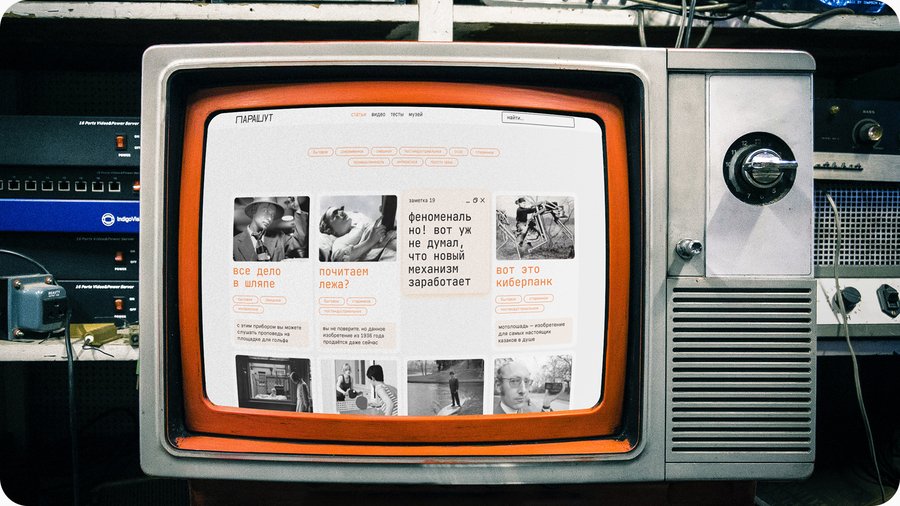
Instead of looking like a dry catalogue, our website feels like a living archive. It’s as if a scientist left behind their notes, sketches, and searches — and you’re following these traces. So exploring the site becomes a small adventure: you don’t just read articles, you discover connections and piece the story together.
Our mission
We make science history feel human and exciting
We collect real stories about unusual inventions and the people behind them, explain them in a clear way, and create a space where curiosity is welcome — even if your interests are «weird».Tone and relationship
We design the brand as friendly and non-gatekeeping. The tone supports our «positive face»: our brand treats curiosity as intelligence, and «weirdness» as normal. This helps users feel safe to explore, ask questions, and join discussions. We are building our relationship with the audience based on trust and respect and make it our goal to always fact-check all the information on our platforms.Brand values
- Reliability: sources, verification, and careful framing.
- Empathy: approachable voice and accessible presentation.
- Curiosity without shame: shared identity around «being strange».
- Global perspective: inventors beyond the Western canon, multilingual and cross-cultural framing.

Presentation for a professional audience (designers)