Back to basics: How Communication Theory Works in the Field of Design
Brand design is often mistakenly reduced to aesthetics and creating a «pretty picture». In reality, visual and verbal identity is a complex, multi-layered communication system. In a context of informational noise, where the user’s attention is the most valuable resource, just creativity is not enough. One could even say that «communication theory» is a kind of NLP but for a brand. It gives the designer and art-director a fundamental basis for answering key questions: how to code a brand’s message so the audience decodes it exactly as intended? How to avoid noise? And how to build a dialogue with the user?
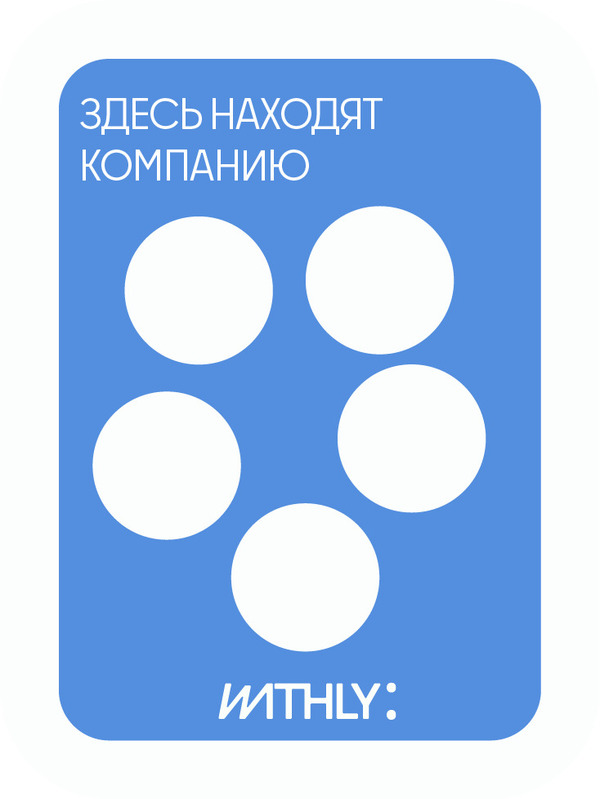
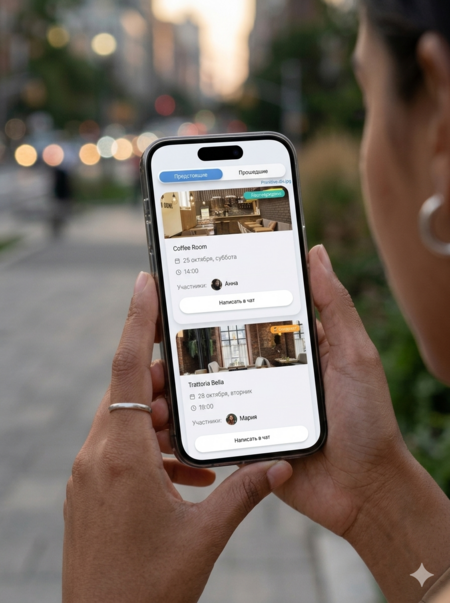
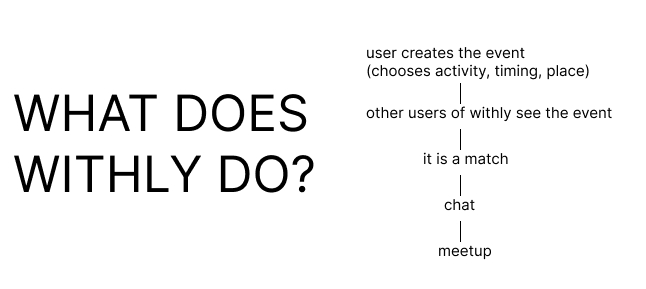
WITHLY is an app that helps people find someone to hang out with. The service is for anyone who wants to go to a cafe, catch a movie or just walk around the city, but doesn’t want to do it alone. All you need to do is just pick a place or an activity, set the time, and find someone who wants to do the exact same thing.
Understanding these mechanisms allows you to build a communication ecosystem. This is especially critical for services whose mission is directly tied to social connections. In the case of the WITHLY app, the visual and interactive language must not only attract attention, but also reduce social anxiety, normalize new forms of interaction, and clearly distinguish the meaning of «shared leisure» from established dating-platform tropes. Communication theory here acts as a compass: it helps design speak precisely, ethically, and contextually appropriately, turning pixels into dialogue and the interface into a bridge between people.
The further analysis of the WITHLY app will rely on this theoretical framework to assess how well design decisions serve the stated communication goal, where semantic gaps arise, and how they can be eliminated at the level of visual strategy, interaction logic, and tone of communication.
Presentation of the project for a general audience
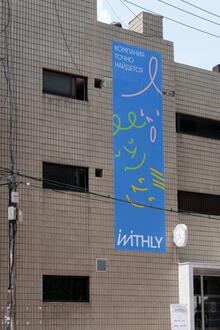
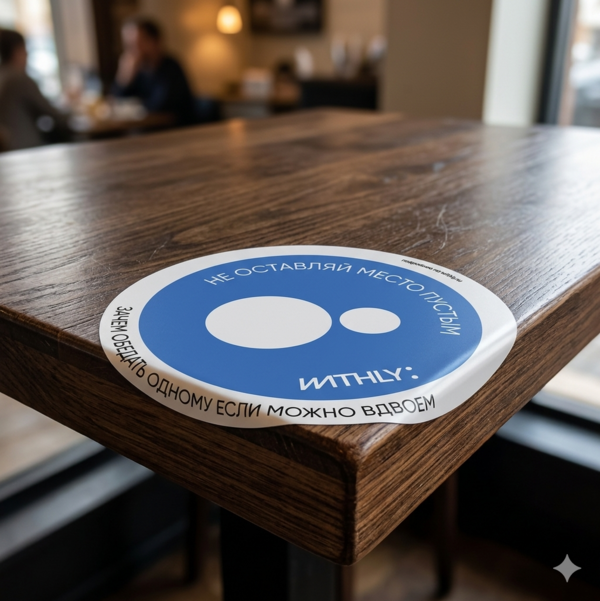
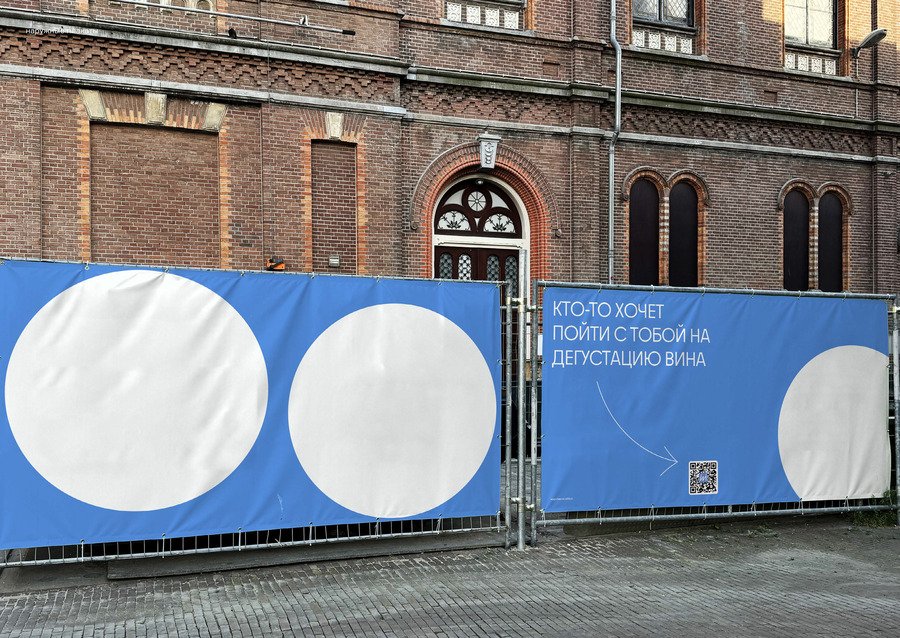
Slogan: Не оставляй место пустым! Don’t leave the place empty!
Withly is not a dating app. There are no swipes, no endless choices, and no romance. Everything is agreed on beforehand: the place, the timing. Being specific is opposite to the awkwardness.
Our communication is a solution to avoid digital isolation. We use the semiotics of urban leisure instead of dating codes and speak to the user in a language of empathy and respect for their autonomy. WITHLY does not promise perfect relationships: we create safe conditions so that beautiful moments in the city stop being empty.
Presentation of the project for a professional audience
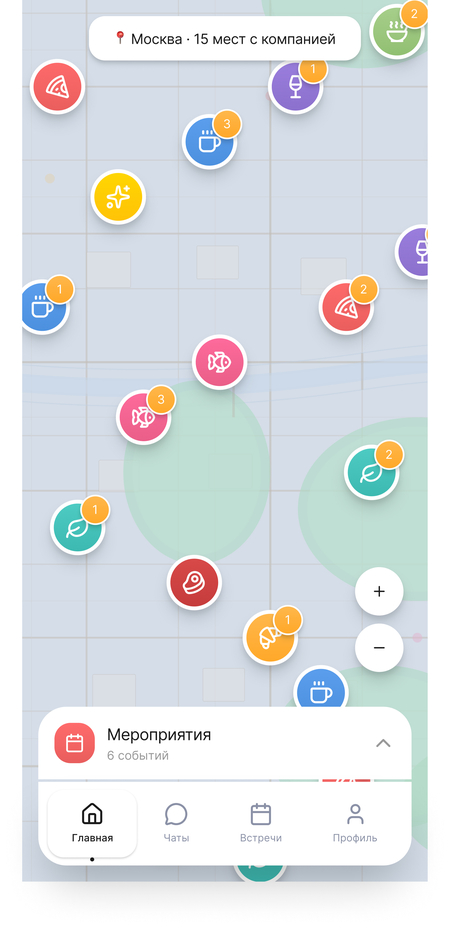
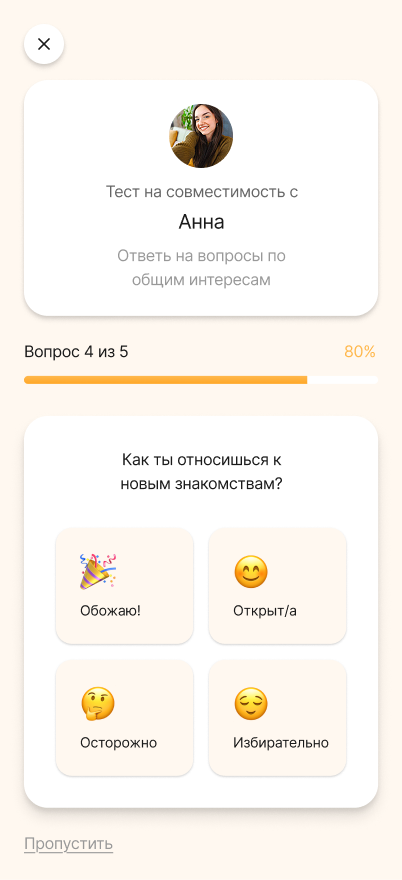
WITHLY is a digital platform redefining urban social interaction by shifting the focus from romantic dating to shared event-based experiences. The service allows users to easily find companions for specific activities, acting as a trusted intermediary that helps to overcome social barriers and cognitive costs of organizing leisure time.
The app’s architecture and communication strategy are grounded in behavioral and communication theories: the interface intentionally minimizes social anxiety, prioritizes safety through user verification and partner venues, and structures user profiles around shared intentions and events rather than physical appearance, transforming an «empty seat» from a sign of isolation into a deliberate opportunity for a meaningful offline connection.
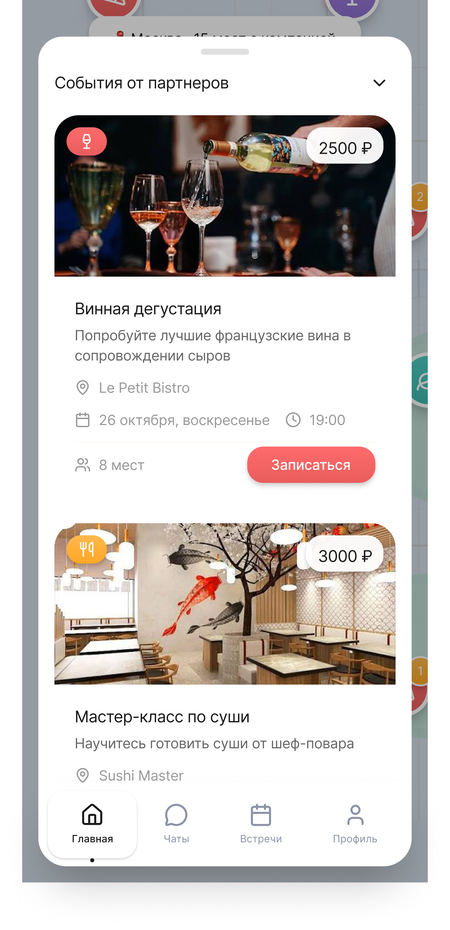
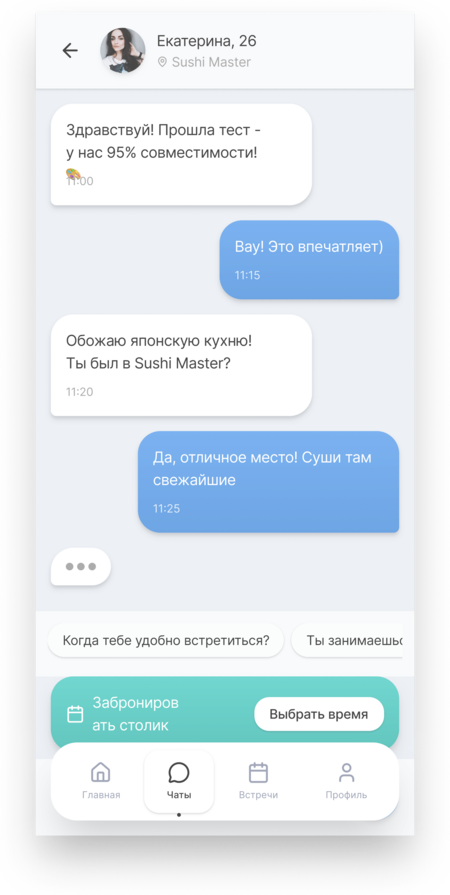
Key features
Target Audience
Segment 1: Students and young people. They are active in the city, studying or starting their careers. Their friend circle is still forming, or friends have moved away, so they don’t always have someone to hang out with.
Segment 2: Socially anxious or/and introverted people. People who find it hard to meet up spontaneously offline. They prefer calm, predictable formats where they know exactly who and where they are meeting.
Segment 3: People who just moved. People who relocated to a new city or country. They are building their social circle from scratch and don’t have a solid group of friends yet.
Insight
People aren’t necessarily afraid of being alone, they’re afraid of being perceived alone. Sitting alone in a cafe, going to the movies solo, or walking around the city by yourself feels awkward and «socially weird».
This insight drives our creative task and visual metaphor to connect with the audience.
Creative task
How can WITHLY app help young city dwellers who feel awkward doing things alone find a buddy for a specific place and time, to kill that fear of missing out and bring back the chill, natural vibe of going out?
Competitors
TWINBY: A modern russian dating app. Matches people using psychological tests and compatibility algorithms, mostly for romance.
WOOH: An app for finding friends and chatting, popular in big cities. Helps you meet based on interests, but lacks integration with city infrastructure and doesn’t focus on specific offline activities.
Idea and metaphor