
Befree is a Russian fast-fashion clothing brand owned by Melon Fashion Group. It positions itself as an accessible, trend-driven brand for young, creative “dreamers” and fashion-conscious consumers. Befree collections often evoke themes of travel and youthful freedom (the name implies “be free”), suggesting an aspirational lifestyle image. The brand formally targets consumers roughly 16–33 years old – primarily young women and men leading modern, urban lifestyles. Its style skews trendy, casual, and somewhat romantic or bohemian, appealing to customers who want stylish, up-to-date outfits without luxury prices. In persona terms, Befree’s core audience can be described as follows: Demographics: Youthful consumers (roughly late teens through early 30s), with middle-income buying power (often students or young professionals). The brand also recently expanded its size range (up to 3XL), indicating a broader inclusivity in body type. Psychographics: Creative, optimistic individuals who enjoy fashion as self-expression. They are urban and social-media-savvy, value individuality and affordability, and like participating in modern trends (e.g. co-creative campaigns). Behavior: Frequent shoppers both online and in malls, influenced by peers and influencers. They follow fashion accounts on social media, attend events (e.g. local fashion festivals or mall pop-ups), and respond to sales/promotions. Media Habits: Active on social networks, especially image-centric ones like Instagram (though now officially banned in Russia) and YouTube (for fashion vlog content), as well as local platforms like VKontakte and Yandex Zen. They consume fast-fashion marketing via both digital ads and instore displays.
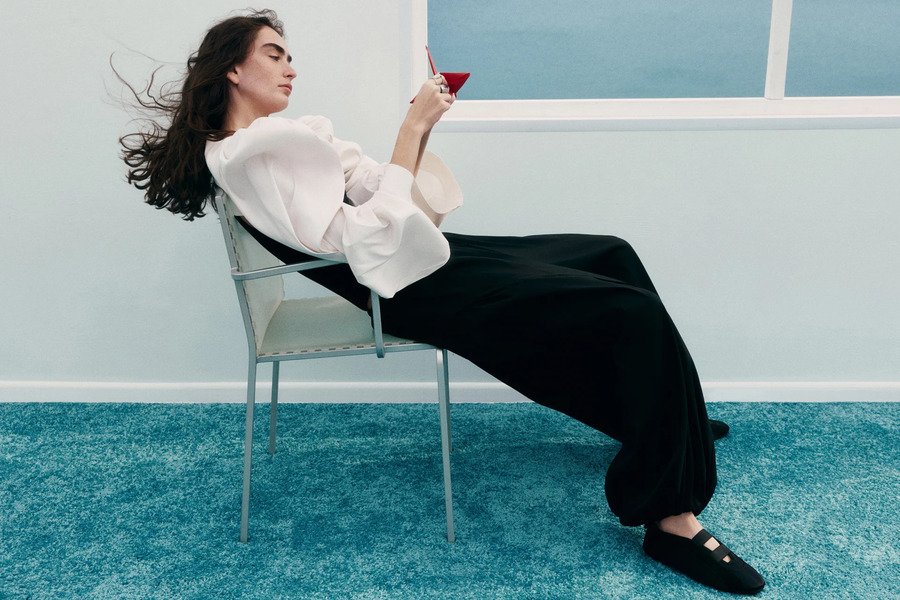
Overall, Befree’s brand message is that of affordable, youthful style — «fashion for young people who want to feel free and confident.»
The tone is upbeat and personal, often featuring real customers or models in dynamic settings. For example, Befree’s Instagram captions frequently use enthusiastic, emotive language (e.g. “These mesh beauties have completely won our hearts!”) and many hashtags (like #BefreeRock or BefreeCoCreate) to create a sense of community among fans.
Communication Channels
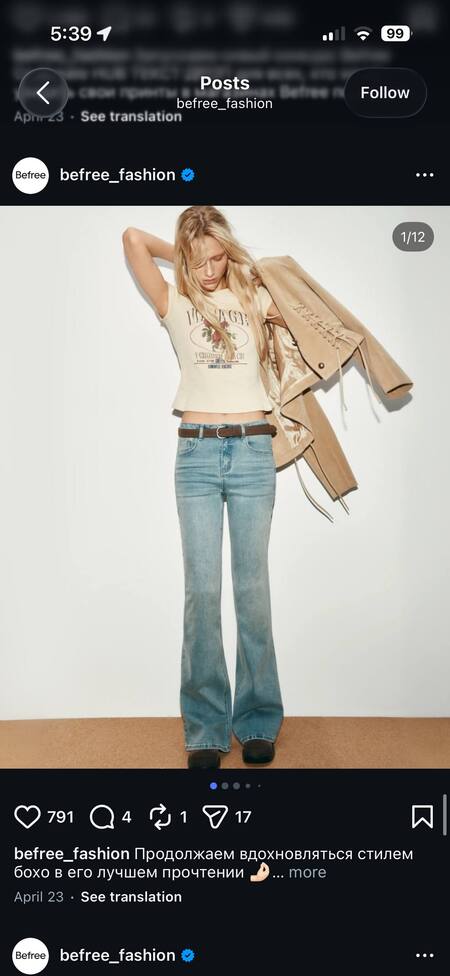
Befree maintains a multi-channel public presence, combining its official website and various social media and media platforms to reach its audience: Website (befree.ru): The e-commerce site is a primary hub for product information, online sales, and brand visuals. It features the full catalog, lookbooks, and updates on promotions or collaborations. The site’s design is minimalistic (predominantly white or light backgrounds) with bold product photos; this clean layout emphasizes images of clothing (a layout decision that aligns with conveying product attributes clearly to the consumer). Instagram (banned in Russia): Befree’s official Instagram account ( @befree_fashion ) has historically been a key channel for visual branding. It showcases new collections, styled outfits, and behind-the-scenes content. Posts often feature polished photography of models in lifestyle scenarios (city streets, cafés, studios) wearing Befree outfits, plus short video Reels. Captions include trendy slang, emojis, and campaign hashtags. Instagram is used for announcing launches (e.g. “new spring collection now in stores!”), interactive polls (such as voting on cocreated designs), and flash-sale alerts. Telegram (banned in Russia): Befree runs a Telegram channel (“Befree Community”) for direct announcements and community engagement. Content includes text/image posts about new arrivals, discount codes, and customer photo-contests. The channel encourages user interaction (followers can comment on or forward posts) and often posts flash-sale alerts (“25% off today only!”). Telegram allows the brand to reach fans through subscriptions and immediate push messages.
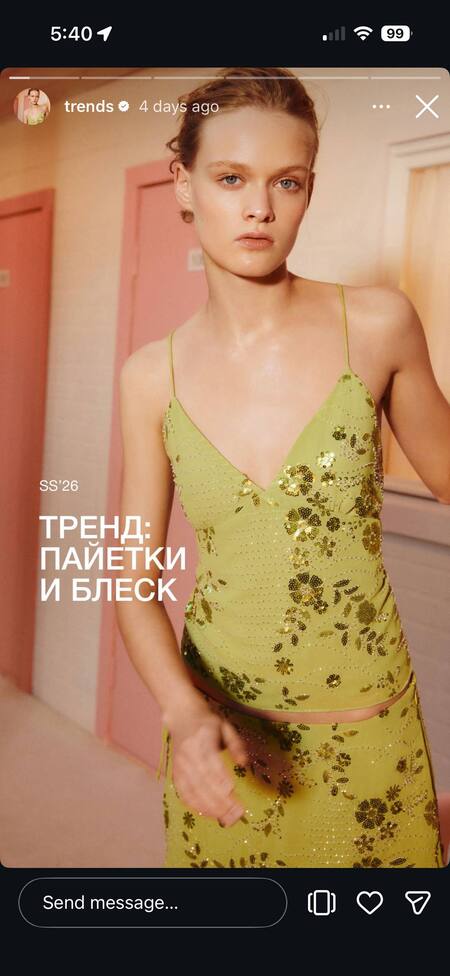
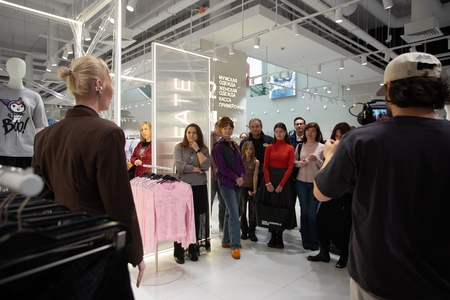
VKontakte (VK): Befree maintains an official VK page (vk.com/befree_fashion). Here the brand reposts similar content from Instagram/ Telegram – product photos, sale banners, event announcements – targeting users who favor local networks. YouTube & Video Content: Befree does not appear to have its own YouTube channel, but it often features in fashion vloggers’ content (e.g. shopping hauls of “Befree collection 2026”). The brand has also sponsored short fashion films (e.g. a Co:Create collaboration video on YouTube). These long-form videos show lifestyle scenes and styling tips, serving to enhance brand storytelling. Yandex.Zen Blog: In some announcements, Befree links to “Дзен” (Yandex.Zen) posts (e.g. cocreate contest descriptions). Yandex.Zen is a content platform in Russia where brands publish article-style posts. These posts allow more text and context than Instagram captions, appealing to readers with more detail-oriented content. Offline PR & Events: Befree engages in on-the-ground marketing such as in-store banners, promotional stands in malls, and participation in fashion events (for example, Befree had a presence at VK Fest 2019). Collaborations with influencers (often micro-influencers in local markets) serve as word-of-mouth or PR: for instance, a Russian fashion blogger might showcase Befree outfits in a try-on video. Seasonal press releases or fashion showrooms (especially in St. Petersburg/Moscow fashion communities) also spread news about special collections.
Overall, Befree’s communication strategy leverages visual social media (Instagram, videos) for broad brand image and youth appeal, while using “closer” channels (Telegram, VK) for direct updates and community building. Its PR approach is mostly digital and experiential – focusing on influencer partnerships and interactive campaigns rather than traditional media advertising.
Theoretical Lens: Elaboration Likelihood Model (ELM)
We analyze Befree’s communications through the Elaboration Likelihood Model (ELM) of persuasion. ELM (Petty & Cacioppo, 1986) posits two routes to persuasion: the central route and the peripheral route. In the central route, the audience is motivated and able to carefully consider the actual message content and logic (argument quality, product information, etc.). In the peripheral route, the audience is either not highly involved or finds the message cues more important; they rely on superficial cues (visual appeal, celebrity endorsements, mood, design elements) rather than deep thinking.
Key ELM concepts: Central cues are content-based (facts, strong arguments, detailed product specs or rational reasons). These cues require audience engagement and tend to produce more durable attitude change if the argument quality is high. Peripheral cues are surface-level (e.g. attractive imagery, trendy aesthetics, social proof like high follower counts or positive comments, emotional tone, humor, or the sheer attractiveness of the source). These work when motivation or ability to process is low, creating more temporary persuasion based on emotion or heuristics.
Because Befree’s communications are largely visual and aimed at fashion-oriented youth, we expect many peripheral cues (appealing images, influencers, slogans) to dominate. However, we also look for moments where Befree tries to engage the audience’s deeper involvement (central cues), such as soliciting feedback, explaining product features, or storytelling about values. By dissecting specific elements of Befree’s media through the ELM lens, we can see which route they leverage and how effectively.
Analysis: ELM in Befree’s Communication
Peripheral Route Cues (Heuristic/Emotional Appeals): Befree’s social media is rich with peripheral cues:
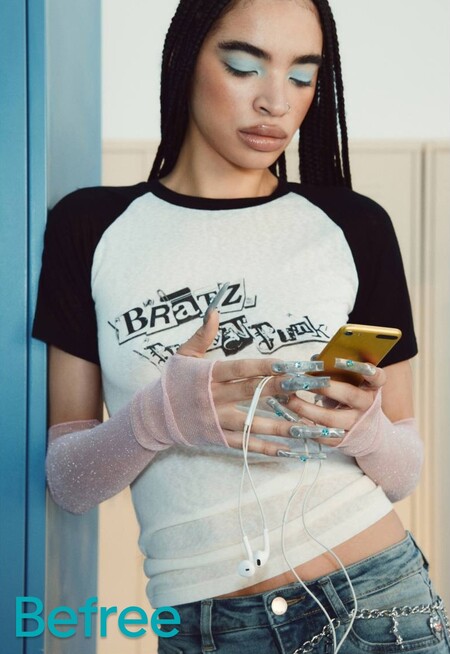
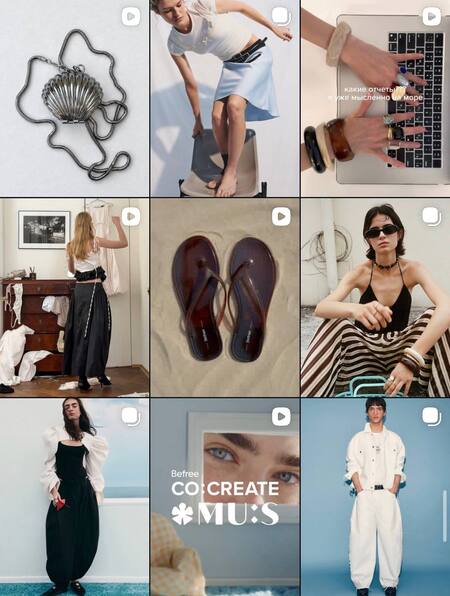
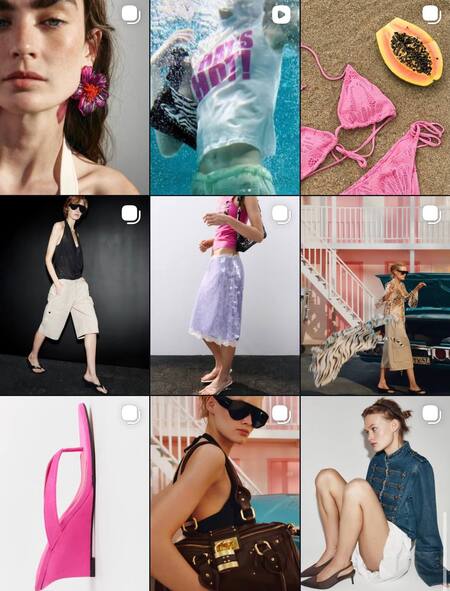
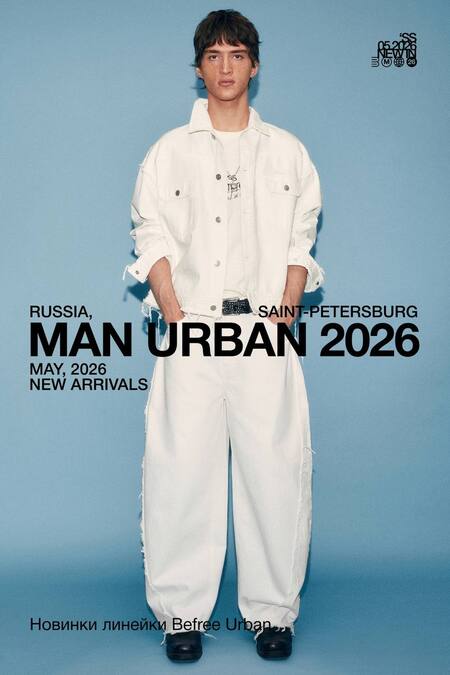
Visual Imagery: Befree’s Instagram and website rely on eye-catching fashion photography. For example, posts typically feature young models in dynamic poses or candid urban settings, wearing the latest Befree outfits. The images use bright, coordinated colors and filters that create a distinct brand aesthetic (often pastels or vibrant contrasts). According to ELM, such strong visual styling functions as a peripheral cue: it grabs attention and elicits positive affect (“this looks cool and aspirational”) without requiring detailed thought. The consistent “look” (e.g. a pink or turquoise palette on all posts) also serves as a cue of brand identity. Celebrity/Influencer Endorsement: Befree occasionally uses influencers or known models in its ads (for instance, featuring a popular young actor or a social media star in a clothing shoot). Even if not explicitly tagged in text, the mere presence of a fashionable influencer’s face signals quality or trendiness to fans. Under ELM, an attractive spokesperson or peer figure acts as a peripheral cue that can sway attitude through association (if “they wear it, it must be cool”). Brand Logos and Slogans: The Befree logo (“Befree” wordmark) and recurring campaign titles (#BefreeRock, BeFreeCoCreate) are prominently displayed on posts and banners. Repetition of these words with stylish fonts is a peripheral device – it’s simple branding that evokes a feeling (“rock, freedom, co-creation”) rather than giving a rational argument.
Brand Logos and Slogans
Celebrity/Influencer Endorsement
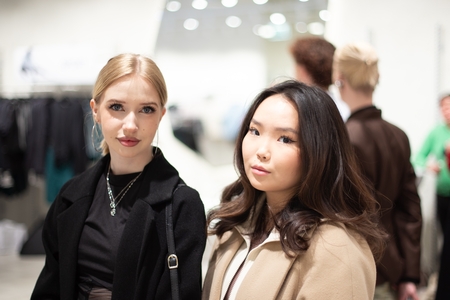
Emotional Language: The captions on Befree’s social posts often use excited, upbeat language (“we’re so in love with this new find!”, “can’t get enough of these bold florals!”). They also use emojis and exclamation points. These elements appeal emotionally. For instance, telling a story of excitement (“totally fell for these mesh details!”) primes the audience to feel similarly, which is a classic peripheral tactic (feel-good tone, social media buzz). Social Proof: Befree’s posts often highlight the number of likes or use user-generated content (e.g. reposting customers’ photos wearing Befree). This suggests “everyone loves Befree,” a peripheral heuristic that can influence new customers (“it’s popular, so it must be good”). Sales and Promotions: : Shout-outs like “ SALE: 50% off ends today!” rely on urgency and reward cues. The visual of a large “–50%” label is a quick peripheral hook, prompting impulse behavior through the cue of a “good deal,” rather than an argument about quality.
Together, these peripheral cues on social feeds create a cohesive emotional brand message: Befree is lively, trendy, and youthful. A typical consumer scrolling through Befree’s Instagram might see a visually appealing model and think “Wow, this style is cool,” without scrutinizing any detailed argument. This is characteristic of low-elaboration processing (peripheral).
Emotional Language
Social Proof
Social Proof
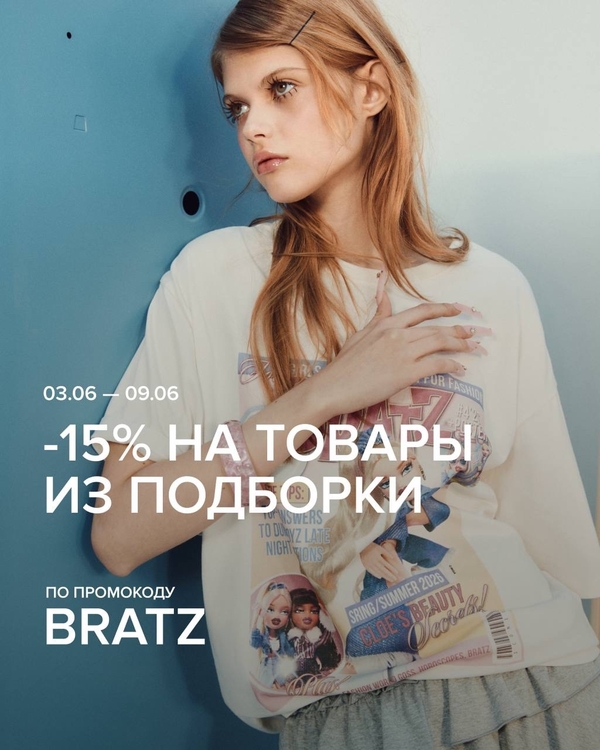
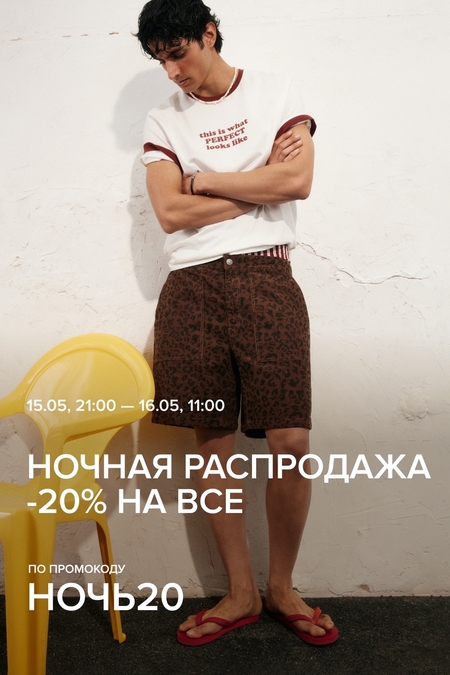
Sales and Promotions
Central Route Cues (Thoughtful/Informational Appeals): Befree’s use of central cues is subtler but present in certain contexts:
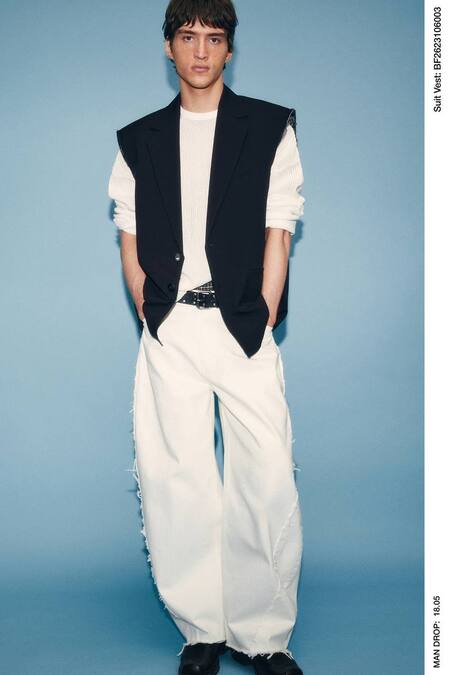
Product Details and Quality Claims: On the Befree website and some posts, factual information appears (e.g. fabric type, item name/number, or lines like “water-repellent fabric” on a raincoat tag). For instance, a Telegram post might detail a new jacket’s features. These details appeal to more analytical consumers (if someone is particularly interested, they’ll note the 100% cotton label or the eco-friendly material). Under ELM, providing specifics serves those motivated to compare products or value quality. However, Befree seldom emphasizes complex stats (e.g. it doesn’t list technical fabric benefits in posts), so the central route cues are relatively minimal. Interactive Polls and Co-Create Engagement:Notably, Befree’s Co:Create campaigns invite users to help design products. For example, Befree might release two sketches for a T-shirt and ask followers to vote for their favorite. This is an appeal to the audience’s reasoning and personal style preferences – it engages them cognitively (“Which design do I like better and why?”). By involving the consumer in decision-making, Befree leverages the central route: customers must think about what looks better or what fits the brand image. This creates deeper engagement (the act of evaluation fosters commitment). It’s a strategic use of central cues because it treats followers as co-designers, requiring deliberation and thus higher elaboration on Befree’s message.
Product Details and Quality Claims
Interactive Polls and Co-Create Engagement