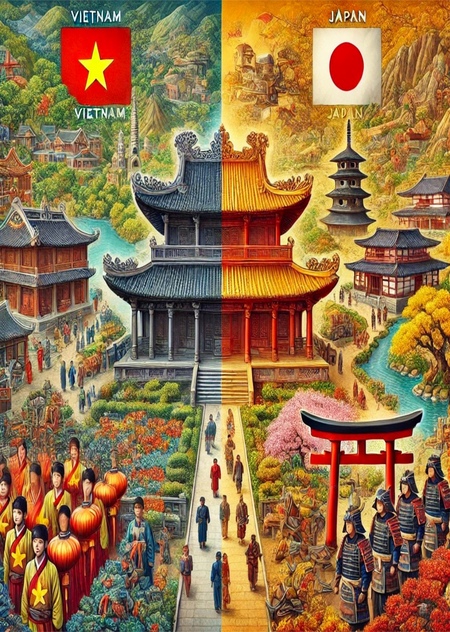
China World Order and Vietnam: A Story of Influence and Resilience, with Comparison to Japan
Research question: What are the differences between the influence of China World Order on Vietnam and on Japan?
Conclusions: - China influenced Vietnam’s governing system, while Japan maintained more independence - Tributary systems of both Vietnam and Japan to China are formalistic, since both countries considered themselves independent from China
[1] Mythology
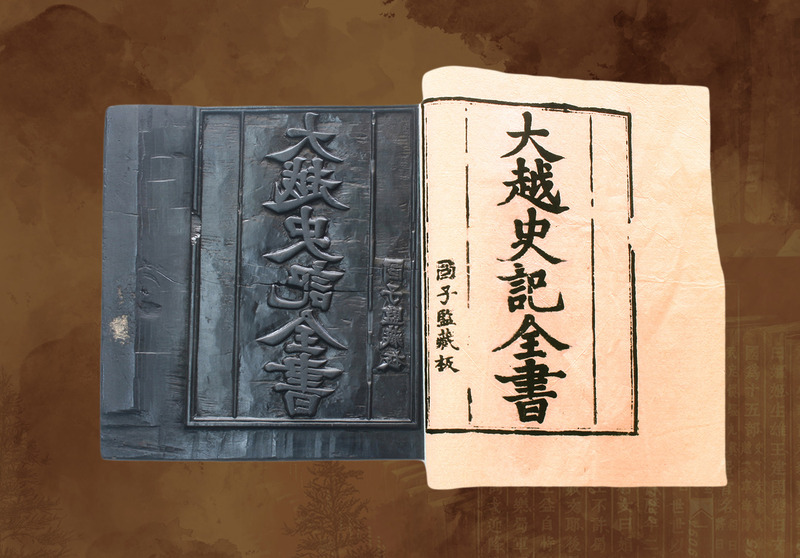
- Complete Annals of Dai Viet — Author: Ngo Si Lien and historians of the Le Dynasty. — Main content: — First official national history of Vietnam, recording the entire history from the Hong Bang period to the Later Le Dynasty. — Two main parts: + External Annals: Founding legends, the formation of early states such as Van Lang, Au Lac, and events related to the period of Chinese domination. + Internal Annals: Independent dynasties from Ngo, Dinh, Ly, Tran to the Later Le, emphasizing important military, political, and cultural events, and the reforms of King Le Thanh Tong.
The book is not only entertaining but also reflects the folk consciousness, worldview and aspirations for peace and freedom of the Vietnamese people.
- Linh Nam Chich Quai — Author: Tran The Phap, compiled by Vu Quynh and Kieu Phu. — Main content: — A collection of typical Vietnamese folk tales, legends and myths. — Purpose: Explaining the origin of culture and national spirit through fictional stories with mythological colors. — Notable stories include: + The legend of Lac Long Quan and Au Co + The legend of Hoan Kiem Lake + The story of Thanh Giong
The book is not only entertaining but also reflects the folk consciousness, worldview and aspirations for peace and freedom of the Vietnamese people.
[2] Tributary mission to China
— The first period of Chinese domination (179 BC — 111 BC): Vietnam was annexed into the Nam Viet country of the Trieu Dynasty, and then annexed by the Han Dynasty — The period from Ngo Quyen to the Nguyen Dynasty (939 — 19th century) — During the Nguyen Dynasty: Although tributes were still paid to China in the early period, this influence gradually decreased after the French invasion and Vietnam became a French colony.
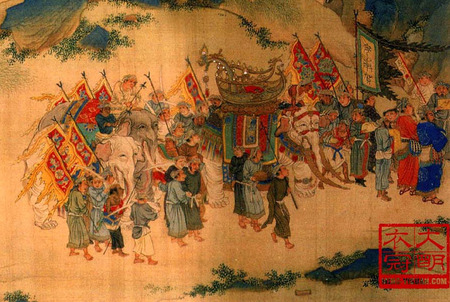
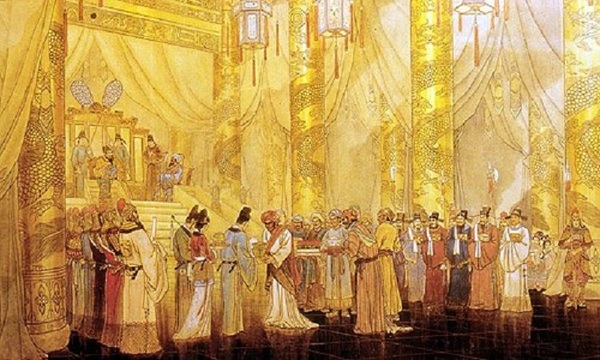
Paying tribute not only demonstrated political dependence but also reflected a flexible diplomatic strategy to maintain peace and preserve the territory in the context of Vietnam being a small country next to a powerful empire like China.
[3] Mini-China World order
Has Vietnam ever considered other countries as vassals? — During the Ly Dynasty (1009-1225) and Tran Dynasty (1225-1400), Vietnamese dynasties demonstrated superior power in the Southeast Asian region and had vassal relationships with surrounding countries, especially Champa. — However, this vassal relationship was often not long-term or absolute, because Champa sometimes rebelled against Dai Viet’s control. This relationship was mainly based on the difference in power at a certain time, instead of a stable vassal system like China with East Asian countries.
When did Vietnam begin to conquer Champa? — Champa was a kingdom that existed from the 2nd to the 17th century, located in present-day Central Vietnam. many long historical periods: — Initial period: Ly Dynasty and Tran Dynasty (in the 11th century) — Expansion period: Ho Dynasty and Later Le Dynasty — The final stage: Nguyen Dynasty
Vietnam began to conquer Champa territory in the 11th century under the Ly Dynasty and this process lasted for many centuries, with important milestones in 1069, 1471, and finally in 1832. This process reflects Vietnam’s southward expansion strategy, one of the important driving forces shaping the current national territory.
[4] Major battles with China
10th century: Bach Dang: Ngo Nguyen vs Southern Han
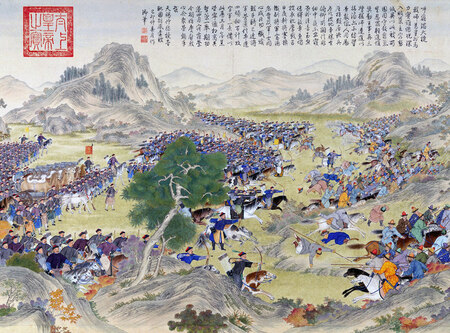
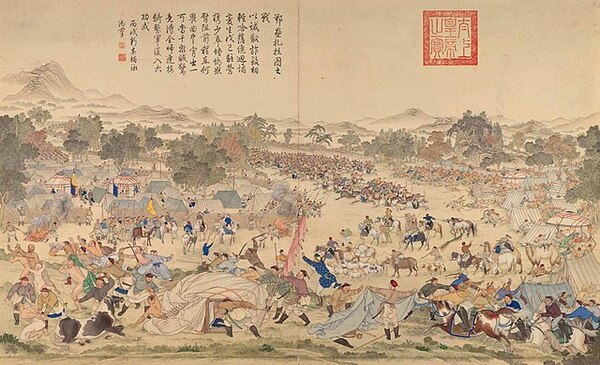
11th century Song–Dai Viet war
13th century The War Against the Yuan-Mongols (1285 and 1287-1288)
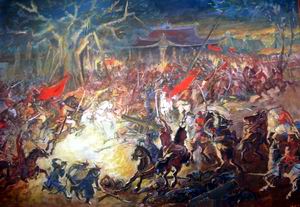
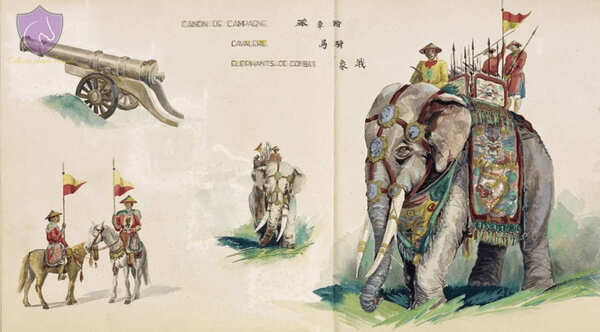
16th Century — Border Dispute During the Mac-Ming Period (1540) — The Nguyen Lords resist the Ming and Tay Son dynasties
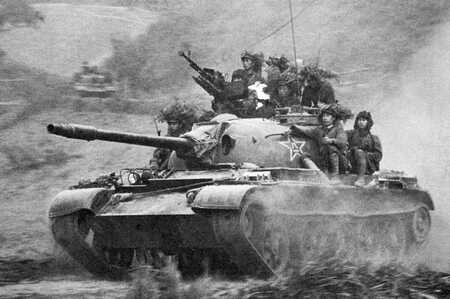
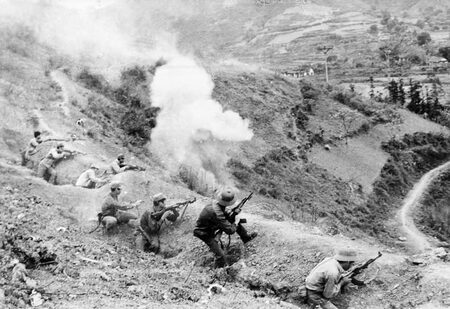
20th Century — 1979 Sino-Vietnamese Border War — South China Sea Conflict